



EV Charging Station Management: Interoperability, Revenue, Reporting
EV Charging Station Management: Streamlining Operations for a Sustainable Future As the demand for electric vehicles (EVs) continues to rise, the need for…
By Rooks Hill Editorial2 min read
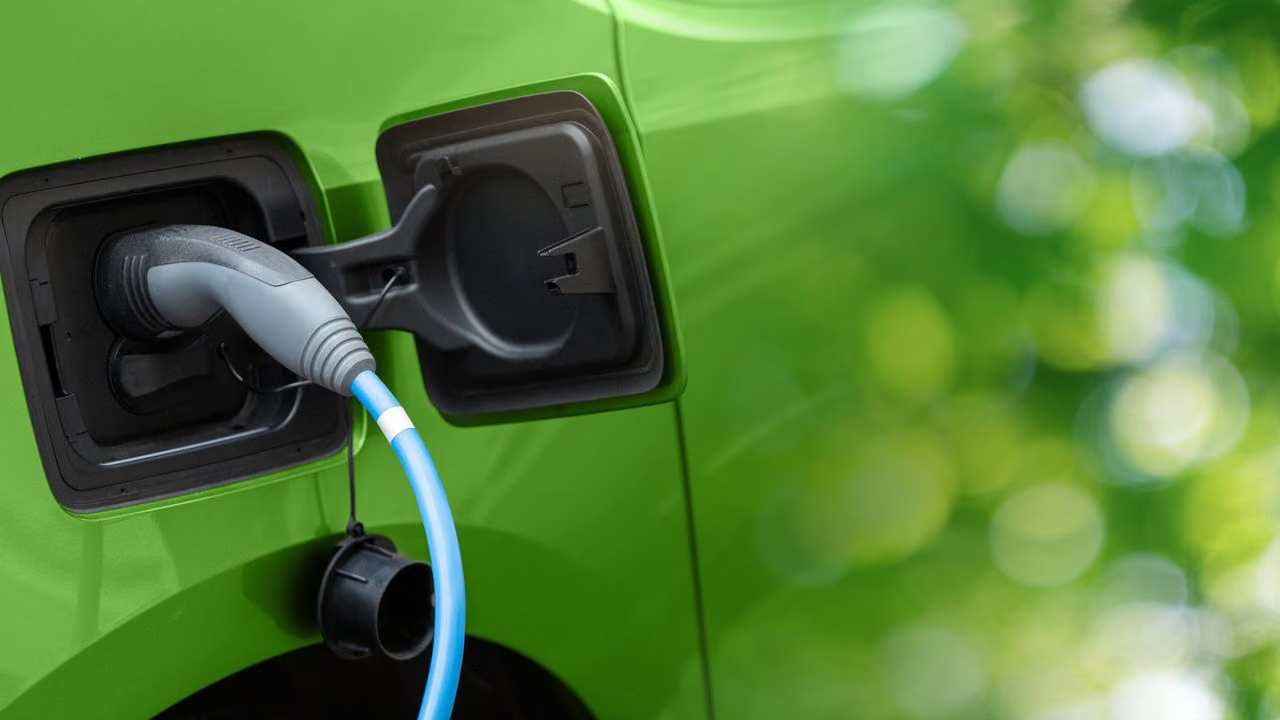
EV Charging Station Management: Streamlining Operations for a Sustainable Future
As the demand for electric vehicles (EVs) continues to rise, the need for efficient and effective EV charging station management becomes paramount. EV charging station operators face various challenges, including charging station interoperability, revenue management, and reporting. In this article, we will delve into these key aspects and explore how proper management can contribute to a sustainable future.
Charging Station Interoperability
One of the primary concerns in EV charging station management is ensuring interoperability. With multiple EV manufacturers and different charging standards, it is crucial to have charging stations that can accommodate various vehicles. Charging station interoperability allows EV owners to charge their vehicles seamlessly, regardless of the make or model.
To achieve interoperability, charging station operators must invest in versatile charging infrastructure that supports different charging standards, such as CHAdeMO, CCS, and Tesla Supercharger. By offering a wide range of charging options, operators can attract more customers and enhance the accessibility of EV charging.
Charging Station Revenue Management
Effective revenue management is essential for the sustainability of EV charging station operations. Charging station operators need to implement strategies to optimize revenue generation while providing affordable charging options for EV owners.
One approach to revenue management is implementing dynamic pricing based on factors such as time of day, demand, and energy costs. By adjusting prices accordingly, operators can incentivize EV owners to charge their vehicles during off-peak hours, balancing the load on the grid and maximizing revenue potential.
Additionally, operators can explore partnerships with local businesses to offer value-added services, such as discounts or loyalty programs. Collaborations with nearby restaurants, shops, or entertainment venues can create a win-win situation, attracting more customers to both the charging station and the partnering businesses.
Charging Station Reporting
Accurate and comprehensive reporting is crucial for monitoring the performance and efficiency of EV charging stations. It allows operators to identify potential issues, optimize operations, and make data-driven decisions. Charging station reporting encompasses various key metrics, including energy consumption, charging sessions, revenue, and maintenance requirements.
Implementing a robust reporting system enables operators to track the usage patterns of their charging stations, identify peak demand periods, and plan for future expansion or upgrades. It also helps in identifying any technical issues or malfunctions promptly, ensuring a seamless charging experience for EV owners.
Conclusion
EV charging station management plays a vital role in supporting the widespread adoption of electric vehicles. By prioritizing charging station interoperability, revenue management, and reporting, operators can create a sustainable and user-friendly charging infrastructure.
As the EV market continues to grow, it is essential for charging station operators to stay ahead of the curve and embrace innovative technologies and strategies. By doing so, they can contribute to a greener future and meet the evolving needs of EV owners.



