



EV Charging Platform Integration: Streamlining Electric Vehicle Charging
EV Charging Platform Integration: Streamlining the Future of Electric Vehicle Charging As the demand for electric vehicles (EVs) continues to rise, the need…
By Rooks Hill Editorial3 min read
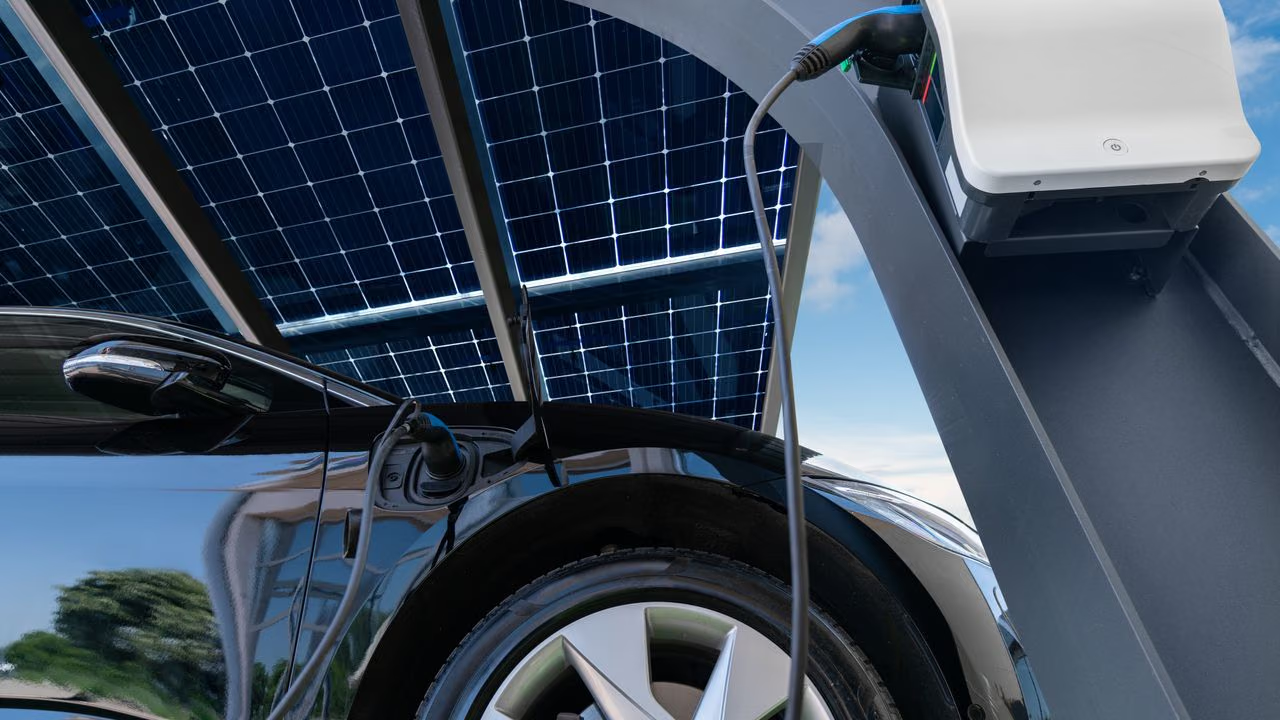
EV Charging Platform Integration: Streamlining the Future of Electric Vehicle Charging
As the demand for electric vehicles (EVs) continues to rise, the need for efficient and reliable charging solutions becomes increasingly important. EV charging platform integration plays a crucial role in ensuring seamless connectivity and compatibility between various charging stations, software, and data exchange systems. In this article, we will explore the significance of charging platform software integration, platform compatibility, and data exchange in the context of EV charging infrastructure.
Charging Platform Software Integration
Charging platform software integration refers to the process of combining different software systems to create a unified and user-friendly experience for EV owners and operators. This integration enables seamless communication between charging stations, mobile applications, and backend management systems. By integrating charging platform software, EV charging providers can offer enhanced functionalities such as remote monitoring, payment processing, and real-time data analysis.
One of the key benefits of software integration is the ability to provide a consistent user experience across different charging stations. EV owners can use a single mobile application or web portal to locate, reserve, and pay for charging sessions, regardless of the charging station’s brand or location. This convenience not only simplifies the charging process for EV owners but also encourages wider adoption of electric vehicles.
Charging Platform Compatibility
Charging platform compatibility is essential for ensuring interoperability between different charging station manufacturers and software providers. Standardization of communication protocols and data formats is crucial to enable seamless integration and compatibility. Open standards such as Open Charge Point Protocol (OCPP) and ISO 15118 play a vital role in promoting interoperability and compatibility in the EV charging industry.
By adhering to these standards, charging station manufacturers can ensure that their products are compatible with a wide range of software platforms. This compatibility allows EV owners to use any charging station with their preferred mobile application or backend management system, eliminating the need for multiple accounts or subscriptions.
Charging Platform Data Exchange
Data exchange is a critical aspect of EV charging platform integration. Charging stations generate a vast amount of data, including charging session details, energy consumption, and billing information. This data needs to be exchanged securely and efficiently between charging stations, software platforms, and backend systems.
Standardized data exchange protocols enable seamless sharing of information between different systems. This data exchange facilitates real-time monitoring of charging sessions, accurate billing, and data analysis for optimizing charging infrastructure. By leveraging the power of data, charging platform integration enables EV charging providers to make data-driven decisions, improve operational efficiency, and enhance the overall charging experience for EV owners.
Conclusion
EV charging platform integration plays a crucial role in streamlining the future of electric vehicle charging. By integrating charging platform software, ensuring platform compatibility, and enabling efficient data exchange, EV charging providers can offer a seamless and user-friendly experience for EV owners. This integration not only simplifies the charging process but also promotes wider adoption of electric vehicles by providing a reliable and efficient charging infrastructure.
As the EV market continues to grow, the importance of charging platform integration cannot be overstated. By embracing open standards, collaborating with industry stakeholders, and investing in advanced software solutions, the EV charging industry can pave the way for a sustainable and electrified future.



