



EV Charging Platform Integration: Enhancing Smart Grid Efficiency
EV Charging Platform Integration: Enhancing Smart Grid Integration As the demand for electric vehicles (EVs) continues to rise, the need for efficient and…
By Rooks Hill Editorial3 min read
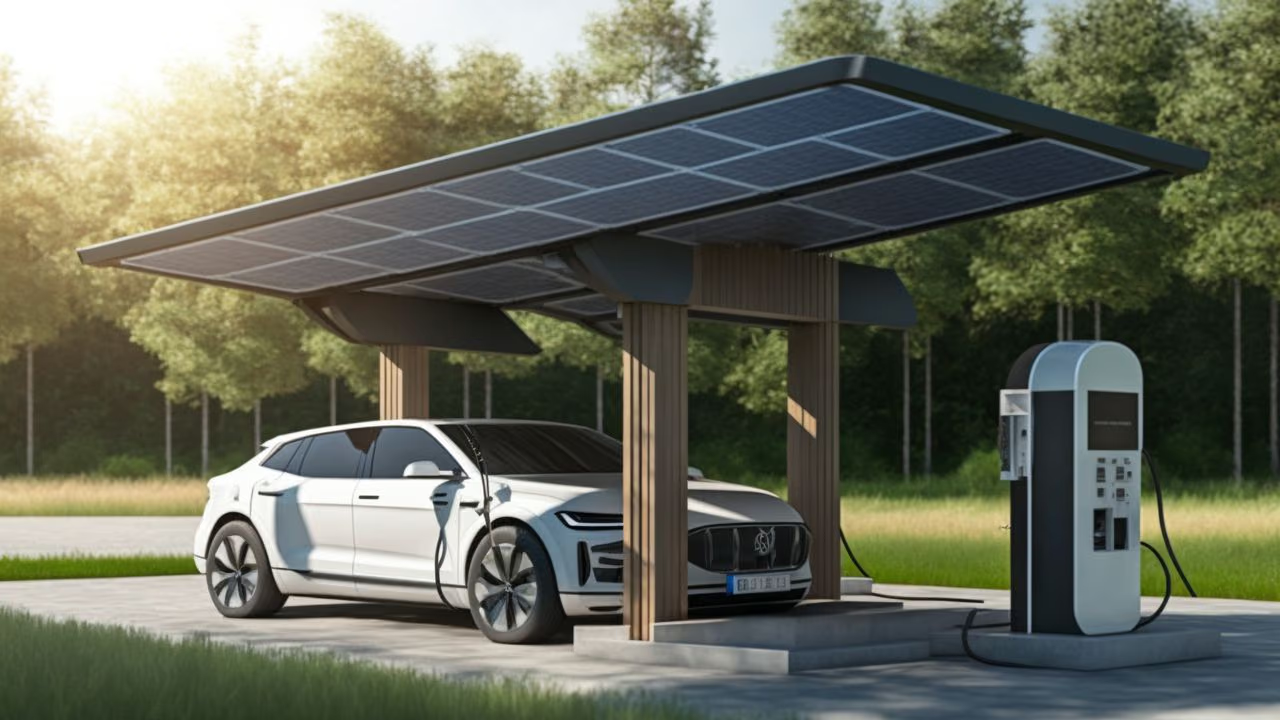
EV Charging Platform Integration: Enhancing Smart Grid Integration
As the demand for electric vehicles (EVs) continues to rise, the need for efficient and reliable charging infrastructure becomes increasingly important. EV charging platform integration plays a crucial role in enabling seamless communication between charging stations, grid operators, and EV owners. This article explores the significance of charging platform integration, the role of APIs, and the scalability of such platforms.
The Importance of Charging Platform Integration
Integrating EV charging platforms with the smart grid is essential for optimizing the charging process, managing energy distribution, and ensuring a sustainable and reliable power supply. By connecting charging stations to the grid, operators can monitor and control the charging process, balance energy demand, and prevent grid overload.
Charging platform integration allows for real-time communication between charging stations and grid operators, enabling dynamic load management. This means that charging stations can adjust their charging rates based on grid conditions, ensuring efficient energy distribution and minimizing the risk of power outages.
The Role of Charging Platform APIs
APIs (Application Programming Interfaces) play a crucial role in facilitating the integration of EV charging platforms with other systems and applications. A charging platform API allows developers to access and interact with the platform’s functionalities, enabling seamless communication between different components of the charging ecosystem.
With a charging platform API, developers can create applications that provide EV owners with real-time charging information, such as available charging stations, charging rates, and estimated charging times. This enhances the overall user experience and encourages the adoption of electric vehicles.
Furthermore, charging platform APIs enable integration with third-party systems, such as energy management platforms and billing systems. This integration streamlines the billing process, enables demand response programs, and facilitates the integration of renewable energy sources into the charging infrastructure.
Scalability of Charging Platforms
Scalability is a critical aspect of EV charging platforms, as the number of electric vehicles on the road continues to grow. A scalable charging platform can handle increasing demand without compromising performance or reliability.
By leveraging cloud-based infrastructure and distributed computing, charging platforms can scale horizontally, adding more charging stations and accommodating higher traffic volumes. This ensures that EV owners have access to charging stations when and where they need them, without experiencing delays or service interruptions.
Moreover, a scalable charging platform allows for seamless integration with future technologies and innovations. As the EV industry evolves, new charging standards and technologies may emerge. A scalable platform can adapt to these changes, ensuring compatibility and future-proofing the charging infrastructure.
In Conclusion
EV charging platform integration is crucial for enhancing smart grid integration and enabling efficient and reliable charging infrastructure. APIs play a vital role in facilitating communication between charging stations, grid operators, and other systems. Additionally, the scalability of charging platforms ensures that they can handle the increasing demand for EV charging without compromising performance or reliability.
By embracing charging platform integration and leveraging APIs, the electric vehicle industry can continue to grow, providing a sustainable and convenient transportation solution for the future.



