



EV Charging Infrastructure Monitoring: Serviceability & Fault Detection
EV Charging Infrastructure Monitoring: Ensuring Serviceability and Fault Detection The growing popularity of electric vehicles (EVs) has led to an increased…
By Rooks Hill Editorial3 min read
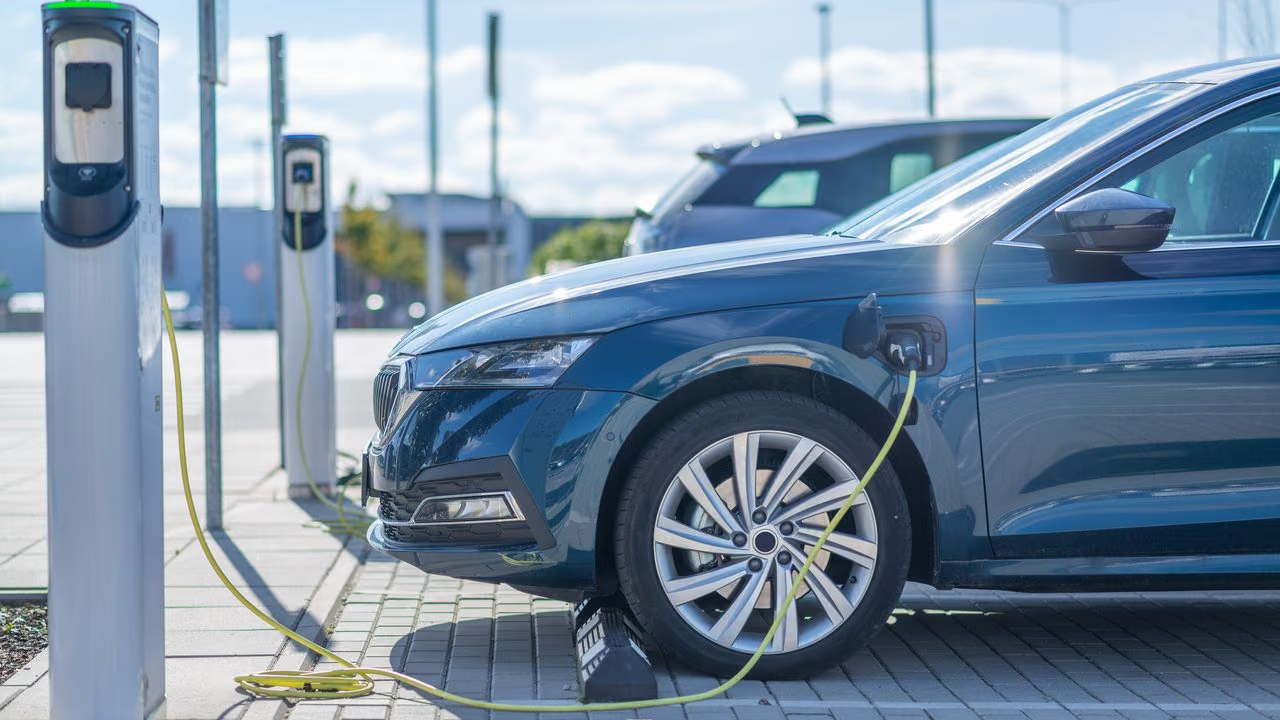
EV Charging Infrastructure Monitoring: Ensuring Serviceability and Fault Detection
The growing popularity of electric vehicles (EVs) has led to an increased demand for efficient and reliable charging infrastructure. As more EV owners rely on public charging stations, it becomes crucial to monitor the health and serviceability of these charging facilities. This is where EV charging infrastructure monitoring plays a vital role.
Charging Infrastructure Serviceability
Charging infrastructure serviceability refers to the ability of charging stations to provide reliable and uninterrupted charging services to EV owners. Monitoring the serviceability of these charging stations helps identify any potential issues that may affect their performance.
By implementing a comprehensive monitoring system, charging station operators can keep track of various parameters such as power output, charging speed, and connectivity. Real-time monitoring allows operators to detect any deviations from the expected performance levels and take prompt actions to rectify them.
Benefits of Monitoring Serviceability
Monitoring the serviceability of charging infrastructure brings several benefits:
- Enhanced User Experience: By ensuring that charging stations are always in good working condition, EV owners can have a hassle-free charging experience.
- Reduced Downtime: Proactive monitoring helps identify potential faults or maintenance needs, allowing operators to schedule repairs or replacements before any major breakdown occurs.
- Optimized Resource Allocation: By analyzing usage patterns and performance data, operators can optimize the allocation of resources such as power supply and maintenance personnel.
Charging Infrastructure Fault Detection
Charging infrastructure fault detection involves monitoring the charging stations for any faults or malfunctions that may impact their performance. Timely detection of faults is crucial to minimize downtime and ensure a seamless charging experience for EV owners.
A robust monitoring system can detect various types of faults, including power supply issues, connectivity problems, and hardware failures. By continuously monitoring the charging infrastructure, operators can receive real-time alerts and notifications whenever a fault is detected.
Importance of Fault Detection
Fault detection in charging infrastructure offers several advantages:
- Preventive Maintenance: Early fault detection allows operators to schedule preventive maintenance, reducing the risk of unexpected breakdowns and costly repairs.
- Improved Safety: Faulty charging stations can pose safety hazards. By promptly detecting faults, operators can ensure the safety of EV owners and prevent accidents.
- Cost Savings: Timely fault detection helps minimize downtime and repair costs, leading to cost savings for charging station operators.
Charging Infrastructure Health Monitoring
Charging infrastructure health monitoring involves assessing the overall condition and performance of charging stations. It includes monitoring various parameters such as power consumption, temperature, and network connectivity.
By continuously monitoring the health of charging infrastructure, operators can identify any potential issues that may affect the long-term performance and reliability of the charging stations. This proactive approach allows operators to take preventive measures and ensure the longevity of the infrastructure.
Benefits of Health Monitoring
Health monitoring of charging infrastructure offers several benefits:
- Extended Lifespan: By identifying and addressing potential issues early on, operators can extend the lifespan of charging stations, reducing the need for frequent replacements.
- Improved Efficiency: Monitoring power consumption and other performance parameters helps optimize energy usage and improve overall efficiency.
- Enhanced Planning: Performance data collected through health monitoring can be used for future planning, such as determining the need for additional charging stations in specific areas.
In conclusion, EV charging infrastructure monitoring plays a crucial role in ensuring the serviceability, fault detection, and health monitoring of charging stations. By implementing a comprehensive monitoring system, operators can enhance user experience, minimize downtime, and optimize resource allocation. Furthermore, proactive fault detection and health monitoring contribute to improved safety, cost savings, and extended lifespan of charging infrastructure.



