



Ensuring EV Charging Infrastructure Monitoring
EV Charging Infrastructure Monitoring: Ensuring Health, Security, and Privacy As electric vehicles (EVs) gain popularity, the need for a robust and reliable…
By Rooks Hill Editorial3 min read
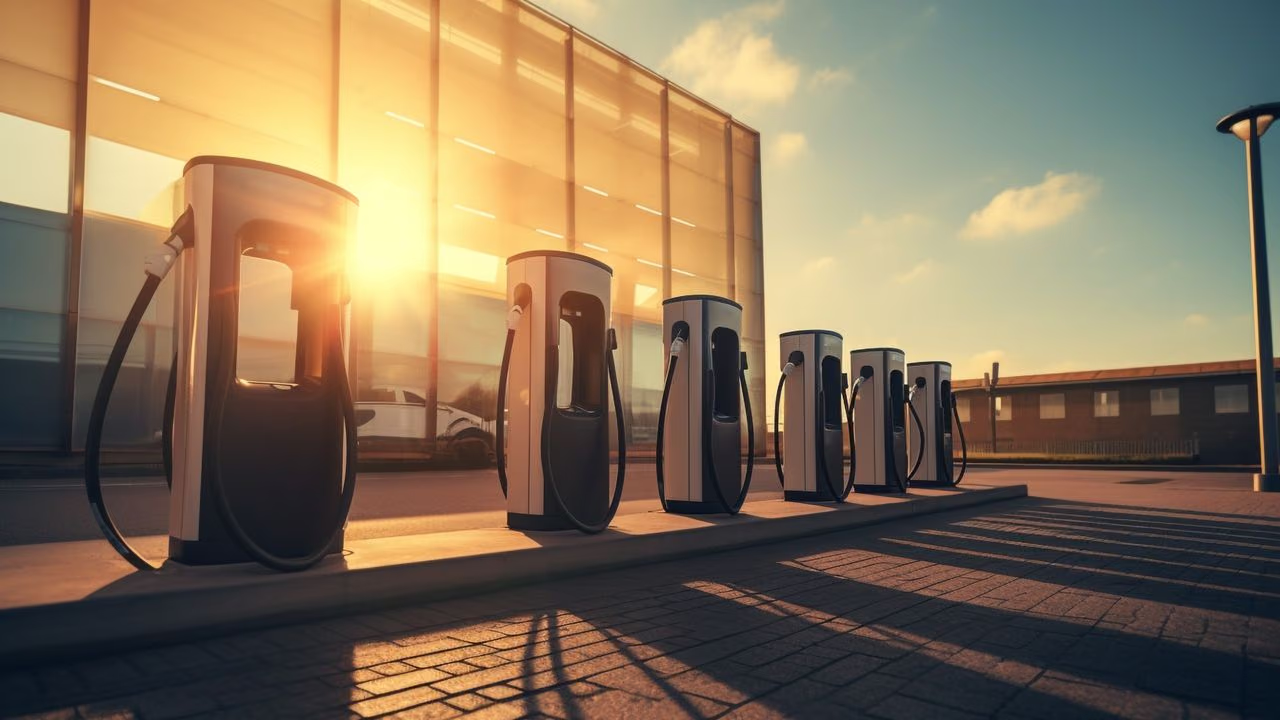
EV Charging Infrastructure Monitoring: Ensuring Health, Security, and Privacy
As electric vehicles (EVs) gain popularity, the need for a robust and reliable charging infrastructure becomes increasingly important. To ensure the smooth operation of EV charging stations, monitoring their health, security, and data privacy is crucial. In this article, we will explore the significance of charging infrastructure monitoring and the measures taken to address these concerns.
Charging Infrastructure Health Monitoring
Just like any other technological system, EV charging infrastructure requires regular health monitoring to identify and resolve potential issues. Monitoring the health of charging stations helps prevent downtime and ensures a seamless charging experience for EV owners.
One key aspect of health monitoring is real-time monitoring of charging station performance. By collecting data on charging speed, energy consumption, and any anomalies, operators can quickly identify and address issues. This proactive approach minimizes downtime and maximizes the availability of charging stations.
Another important aspect of health monitoring is predictive maintenance. By analyzing historical data and patterns, operators can anticipate potential failures and schedule maintenance before they occur. This not only reduces the risk of unexpected downtime but also saves costs by avoiding major repairs.
Charging Infrastructure Security
Ensuring the security of EV charging infrastructure is paramount to protect both the charging stations and the data they handle. With the increasing connectivity of charging stations, the risk of cyberattacks becomes a significant concern.
One way to enhance security is by implementing secure authentication mechanisms. This can include user authentication for accessing charging stations and secure communication protocols to prevent unauthorized access to the charging infrastructure. Additionally, regular security audits and vulnerability assessments help identify and address potential weaknesses in the system.
Physical security measures are also crucial. Installing surveillance cameras and adequate lighting in charging station areas can deter potential vandalism or theft. Furthermore, secure enclosures and tamper-proof hardware can protect the charging equipment from unauthorized access.
Charging Infrastructure Data Privacy
With the increasing amount of data generated by EV charging stations, ensuring data privacy is of utmost importance. EV owners trust charging station operators with their personal information, such as payment details and location data, and it is essential to handle this data responsibly.
To safeguard data privacy, charging station operators should implement robust data encryption techniques. This ensures that sensitive information remains secure during transmission and storage. Additionally, data anonymization techniques can be employed to protect user identities while still allowing for meaningful analysis of charging patterns and usage.
Transparency is another crucial aspect of data privacy. Charging station operators should clearly communicate their data handling practices to users and obtain explicit consent for data collection and usage. By providing users with control over their data, operators can build trust and maintain a positive relationship with their customers.
Conclusion
Monitoring the health, security, and data privacy of EV charging infrastructure is essential for its successful operation. By implementing robust monitoring systems, operators can ensure the availability and reliability of charging stations, protect against cyber threats, and handle user data responsibly. As the adoption of EVs continues to grow, it is crucial to prioritize the monitoring and maintenance of charging infrastructure to support the transition to a sustainable transportation future.



