



Enhancing EV Charging Platform User Experience
EV Charging Platform User Experience: Enhancing Convenience and Privacy As the popularity of electric vehicles (EVs) continues to rise, so does the demand for…
By Rooks Hill Editorial3 min read
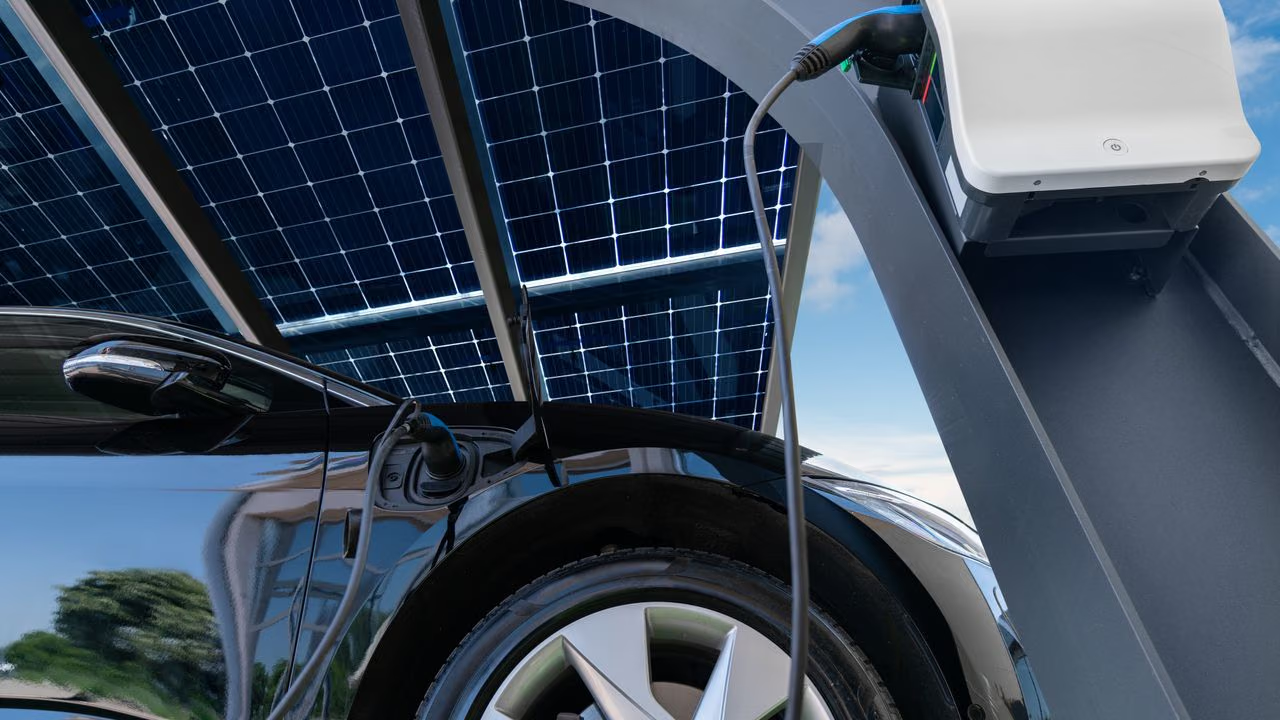
EV Charging Platform User Experience: Enhancing Convenience and Privacy
As the popularity of electric vehicles (EVs) continues to rise, so does the demand for efficient and user-friendly charging solutions. EV charging platforms play a crucial role in providing a seamless charging experience for users. In this article, we will explore the key aspects of EV charging platform user experience, with a focus on charging platform user privacy, the importance of a well-designed mobile app, and the significance of user segmentation.
Charging Platform User Privacy
Ensuring user privacy is of utmost importance when it comes to EV charging platforms. Users need to have confidence that their personal information and charging data are protected. Charging platform providers should implement robust security measures to safeguard user privacy.
One way to enhance charging platform user privacy is by anonymizing user data. Instead of collecting personally identifiable information, such as names and addresses, the platform can assign unique identifiers to each user. This approach allows for data analysis and improvements in user experience without compromising privacy.
Additionally, charging platforms should provide clear and transparent privacy policies, detailing how user data is collected, used, and protected. This transparency builds trust and reassures users that their information is handled responsibly.
Charging Platform Mobile App
A well-designed mobile app is essential for a seamless and convenient user experience on an EV charging platform. The mobile app should offer intuitive navigation, allowing users to easily locate nearby charging stations, check availability, and initiate charging sessions.
Integration with navigation apps, such as Google Maps or Apple Maps, can further enhance the user experience. This feature enables users to plan their routes efficiently, considering charging station availability along the way. Real-time updates on charging station availability and status within the app also contribute to a smoother charging experience.
Moreover, the mobile app should provide users with the ability to monitor their charging sessions remotely. Users can receive notifications when their vehicle is fully charged or if any issues arise during the charging process. This level of control and convenience adds value to the overall user experience.
Charging Platform User Segmentation
User segmentation is crucial for tailoring the charging platform experience to different user groups. By understanding the diverse needs and preferences of users, charging platform providers can offer personalized features and services.
One way to segment users is based on their charging habits. Some users may require frequent charging due to long commutes, while others may only need occasional charging for shorter trips. By analyzing charging patterns, the platform can recommend charging stations and times that align with each user’s specific needs.
Another aspect of user segmentation is considering the preferences of different EV models. Some charging stations may offer specific connectors or higher charging speeds compatible with certain EV models. By segmenting users based on their vehicle type, the platform can provide tailored recommendations for compatible charging stations.
Furthermore, user segmentation can extend to loyalty programs or incentives. By rewarding frequent users or offering exclusive benefits to specific user segments, charging platforms can foster user engagement and loyalty.
Conclusion
In conclusion, EV charging platforms have a significant impact on the user experience of electric vehicle owners. Prioritizing user privacy, providing a well-designed mobile app, and implementing user segmentation strategies are key factors in enhancing convenience and satisfaction. As the EV market continues to grow, charging platform providers must continue to innovate and improve the user experience to meet the evolving needs of electric vehicle owners.



