



Electric Vehicle Home Charging Options
Electric Vehicle Charging at Home: Options and Considerations As electric vehicles (EVs) become more popular, many owners are opting to charge their vehicles…
By Rooks Hill Editorial3 min read
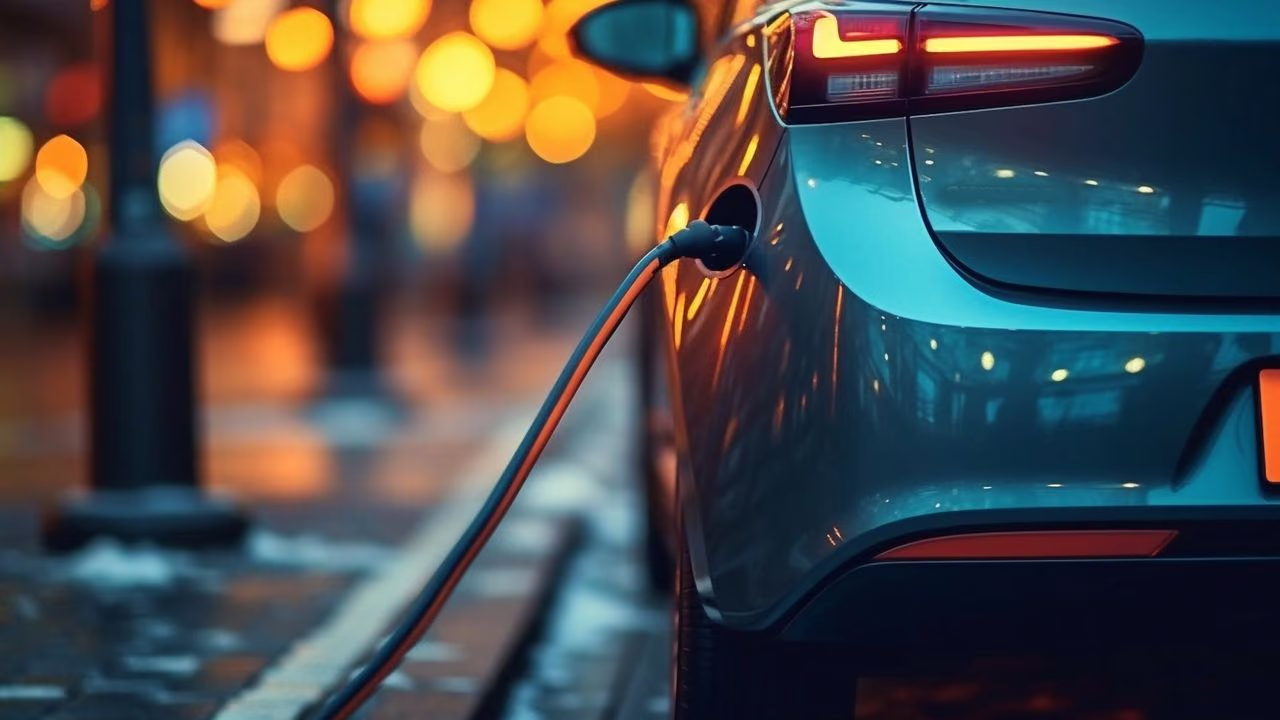
Electric Vehicle Charging at Home: Options and Considerations
As electric vehicles (EVs) become more popular, many owners are opting to charge their vehicles at home for convenience and cost savings. In this article, we will explore the different options available for home charging, factors to consider, and the importance of choosing the right charging equipment.
Charging Equipment
Before diving into the various charging options, it’s important to understand the different types of charging equipment available for home use. The most common device is called Electric Vehicle Supply Equipment (EVSE), which is essentially a charging station for your EV.
EVSEs come in different power levels, typically ranging from 16 to 80 amps. The power level determines how quickly your vehicle will charge. It’s important to choose an EVSE that matches your vehicle’s charging capabilities to ensure efficient charging.
Charging Time
Charging time is a crucial factor to consider when deciding on home charging options. The charging time depends on two main factors: the power level of your EVSE and the battery capacity of your vehicle.
For example, if you have a 40-amp EVSE and a vehicle with a 60 kWh battery, it will take approximately 8 hours to fully charge your vehicle from empty to full. Keep in mind that this is just an estimate, and actual charging times may vary depending on various factors such as temperature and battery condition.
If you have a higher power level EVSE, such as an 80-amp unit, the charging time can be significantly reduced. However, it’s important to note that not all vehicles can handle the maximum power level, so it’s crucial to check your vehicle’s specifications before investing in a high-power EVSE.
Options for Home Charging
When it comes to home charging options, there are primarily two choices: Level 1 charging and Level 2 charging.
Level 1 Charging
Level 1 charging utilizes a standard 120-volt household outlet. This option is the most basic and typically comes with your EV when you purchase it. While Level 1 charging is convenient, it is also the slowest option, providing an average of 2-5 miles of range per hour of charging. This option is ideal for those who have a short daily commute or access to public charging stations for longer trips.
Level 2 Charging
Level 2 charging requires a dedicated 240-volt circuit and an EVSE. This option provides a much faster charging speed, typically offering around 10-30 miles of range per hour of charging. Level 2 charging is ideal for those who have longer daily commutes or need to charge their vehicles more quickly.
Considerations for Home Charging
When deciding on the best home charging option for your EV, there are a few important considerations to keep in mind:
- Electrical Panel Capacity: Ensure that your home’s electrical panel has enough capacity to handle the additional load of an EVSE. If necessary, you may need to upgrade your electrical panel.
- Installation Costs: Level 1 charging typically requires no additional installation costs, as it can be plugged into a standard household outlet. However, Level 2 charging may require professional installation, which can incur additional costs.
- Future-Proofing: Consider your future needs when choosing an EVSE. If you plan to upgrade to a higher-capacity EV in the future, it may be wise to invest in a higher-power EVSE now to avoid the need for future upgrades.
By considering these factors and options, you can make an informed decision about the best home charging setup for your electric vehicle. Remember to consult with a qualified electrician or EV charging professional to ensure a safe and efficient installation.



