



Electric Vehicle Charging Infrastructure: Powering the Future
Electric Vehicle Charging Infrastructure: The Key to a Sustainable Future As the world moves towards a more sustainable future, electric vehicles (EVs) have…
By Rooks Hill Editorial3 min read
Electric Vehicle Charging Infrastructure: The Key to a Sustainable Future
As the world moves towards a more sustainable future, electric vehicles (EVs) have gained significant popularity. With zero tailpipe emissions and reduced dependence on fossil fuels, EVs are seen as a crucial solution to combat climate change. However, the success of electric vehicles relies heavily on the availability of a robust charging infrastructure.
Home Charging: Convenience at Your Fingertips
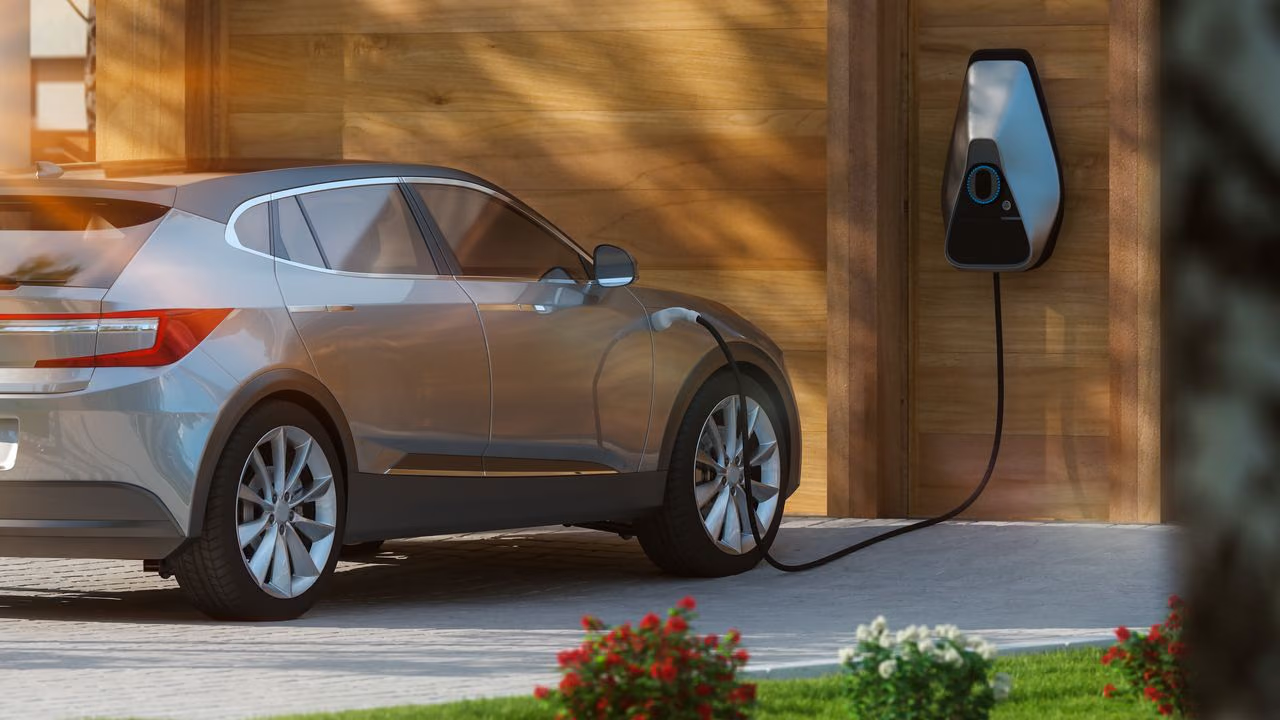
One of the most convenient ways to charge an electric vehicle is through home charging. This option allows EV owners to plug their vehicles into a dedicated charging unit installed in their homes. Home charging offers several benefits, including the ability to charge at any time, cost savings compared to public charging stations, and the convenience of waking up to a fully charged vehicle.
Home charging is made possible through the installation of Electric Vehicle Supply Equipment (EVSE) or charging stations. These stations are connected to the electrical grid and provide a safe and efficient way to charge EVs. With advancements in technology, home charging stations are becoming more affordable and accessible to a wider range of consumers.
Charging Infrastructure Development: A Global Effort
While home charging is convenient for EV owners, it is not sufficient to support the widespread adoption of electric vehicles. To meet the growing demand for EVs, a comprehensive charging infrastructure is essential. This infrastructure includes a network of public charging stations strategically located in urban areas, highways, and commercial spaces.
Charging infrastructure development is a global effort, with governments, private companies, and charging service providers working together to build a reliable and extensive network. Governments play a crucial role in providing incentives and regulations to encourage the installation of charging stations. Private companies and charging service providers invest in the construction and maintenance of charging infrastructure, ensuring its availability to the public.
Types of Charging Stations
Public charging stations come in different forms to cater to the diverse needs of EV owners. These include:
- Level 1 Charging: This is the most basic form of charging, using a standard household outlet. While it is the slowest charging option, it is widely available and can be used in emergencies.
- Level 2 Charging: Level 2 charging stations provide faster charging than Level 1. They require a dedicated charging unit and can be found in public parking lots, workplaces, and shopping centers.
- DC Fast Charging: DC fast charging stations offer rapid charging, allowing EVs to charge up to 80% in a short amount of time. These stations are typically located along highways and major travel routes.
Charging Service Providers: Enabling Seamless Charging
Charging service providers play a crucial role in ensuring a seamless charging experience for EV owners. These companies offer various services, including access to a network of charging stations, payment solutions, and real-time charging information through mobile apps or online platforms.
By partnering with charging service providers, EV owners can easily locate available charging stations, monitor their charging sessions, and make payments without the hassle of multiple memberships or payment methods. These providers also collaborate with businesses and municipalities to install and maintain charging infrastructure, making it more accessible to the public.
The Future of Electric Vehicle Charging Infrastructure
As the demand for electric vehicles continues to rise, the development of a robust charging infrastructure is crucial. Home charging provides convenience for EV owners, while public charging stations and the efforts of charging service providers ensure accessibility and reliability for all.
With ongoing advancements in technology and increased collaboration between stakeholders, the future of electric vehicle charging infrastructure looks promising. As more charging stations are installed worldwide, range anxiety will diminish, and electric vehicles will become a viable option for all, accelerating the transition towards a sustainable future.



