



Electric Vehicle Charging at Home: Options and Considerations for Residential Charging
Electric Vehicle Charging at Home: Options and Considerations As electric vehicles (EVs) become increasingly popular, one of the most convenient and…
By Rooks Hill Editorial3 min read
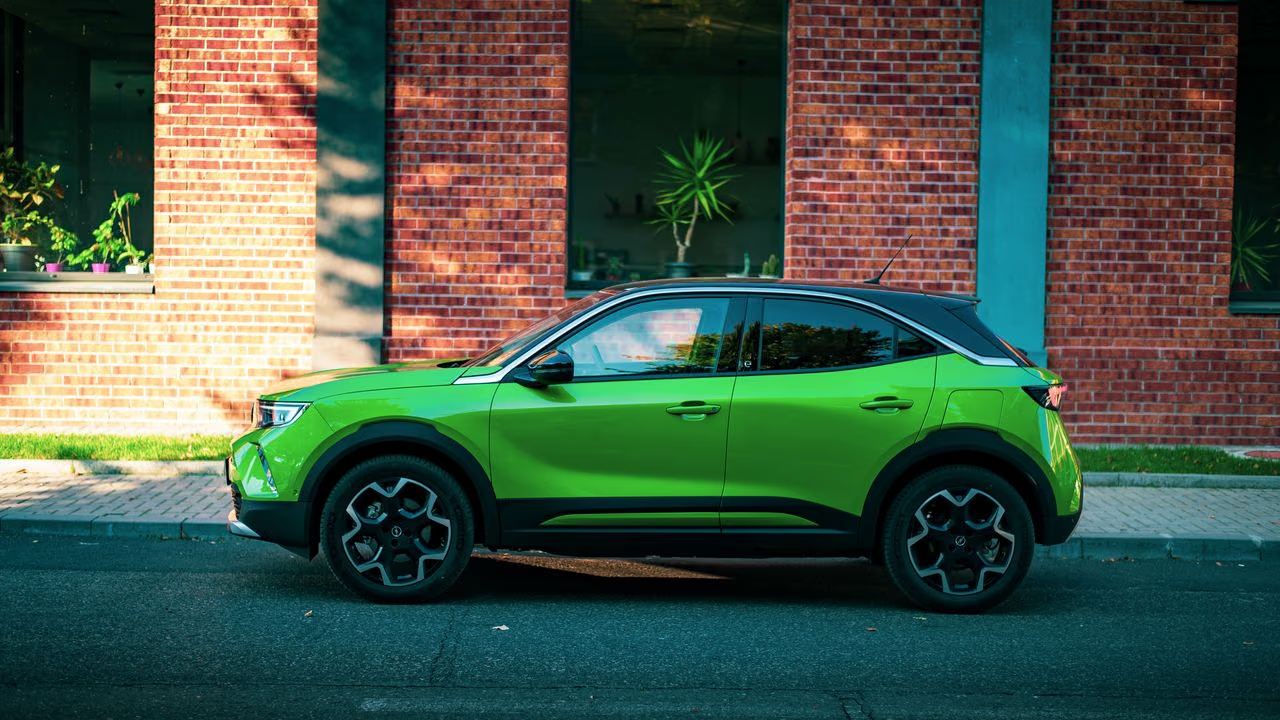
Electric Vehicle Charging at Home: Options and Considerations
As electric vehicles (EVs) become increasingly popular, one of the most convenient and cost-effective ways to charge them is at home. Residential charging allows EV owners to have a fully charged vehicle each morning without the need to visit public charging stations. In this article, we will explore the options and considerations for electric vehicle charging at home.
1. Level 1 Charging
Level 1 charging refers to the basic charging option that comes with every electric vehicle. It involves plugging the vehicle into a standard household outlet using the provided charging cable. While this method is the slowest, it is also the most accessible and requires no additional installation or equipment.
One of the main drawbacks of level 1 charging is the charging time. It typically takes several hours to fully charge an EV using this method. However, for those who have shorter daily commutes or access to public charging stations during the day, level 1 charging may be sufficient.
2. Level 2 Charging
Level 2 charging is a faster and more convenient option for residential charging. It requires the installation of a dedicated charging station, also known as an electric vehicle supply equipment (EVSE), which is connected to a 240-volt electrical circuit.
The main advantage of level 2 charging is the significantly reduced charging time compared to level 1. Depending on the vehicle’s battery capacity and the charging station’s power output, it can take anywhere from a few hours to overnight to fully charge an EV.
When considering level 2 charging, it is important to evaluate the electrical capacity of your home. Upgrading the electrical panel and wiring may be necessary to accommodate the increased power demand. Consulting with a licensed electrician is recommended to ensure a safe and efficient installation.
3. Charging Stations and Accessories
There are several charging station options available for residential use. These stations vary in features, power output, and price. Some popular brands include ChargePoint, Tesla Wall Connector, and JuiceBox.
When choosing a charging station, it is essential to consider the compatibility with your EV. Most stations are compatible with all electric vehicles, but it is always recommended to double-check the specifications and compatibility requirements.
In addition to the charging station, there are also accessories that can enhance the charging experience. These include smartphone apps for monitoring charging status, scheduling charging sessions, and tracking energy usage. Some charging stations also offer Wi-Fi connectivity and integration with smart home systems.
4. Cost Considerations
When evaluating the cost of residential charging, it is important to consider both the upfront installation cost and the ongoing electricity costs.
The installation cost of a level 2 charging station can vary depending on factors such as electrical upgrades, labor costs, and any additional accessories. It is recommended to obtain multiple quotes from licensed electricians to ensure a competitive price.
Regarding electricity costs, it is essential to check with your utility provider for any special electric vehicle charging rates or incentives. Some utility companies offer discounted rates during off-peak hours, making charging more affordable.
Conclusion
Electric vehicle charging at home provides convenience and ensures a fully charged vehicle each day. Whether you opt for level 1 or level 2 charging, it is important to consider factors such as charging time, installation requirements, and cost considerations. By carefully evaluating your options and consulting with professionals, you can create an efficient and cost-effective charging solution for your electric vehicle.



