



Electric Vehicle Battery Recycling and Sustainability: A Guide to Battery Waste Management
Electric Vehicle Battery Recycling and Sustainability As electric vehicles (EVs) become increasingly popular, it is important to address the issue of battery…
By Rooks Hill Editorial2 min read
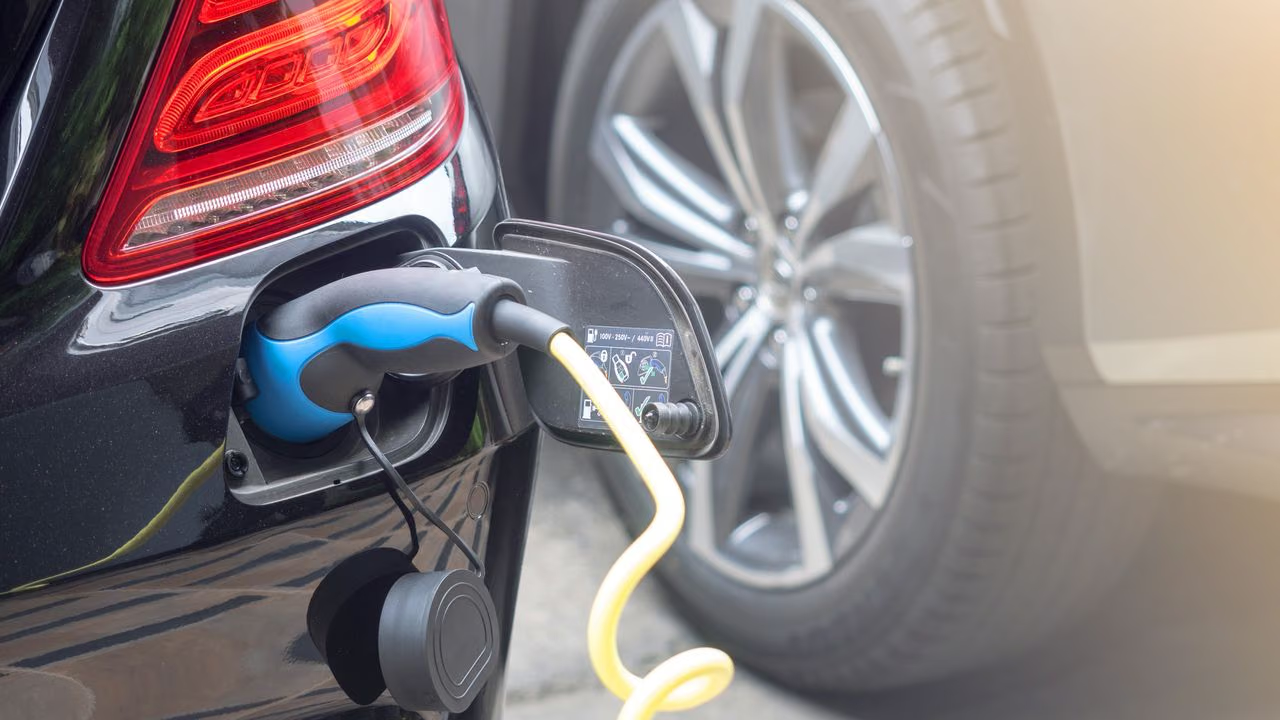
Electric Vehicle Battery Recycling and Sustainability
As electric vehicles (EVs) become increasingly popular, it is important to address the issue of battery waste management and ensure the sustainability of these vehicles. The batteries used in EVs are made up of valuable and reusable materials, making proper recycling and disposal crucial.
Battery Waste Management
Battery waste management involves the collection, recycling, and disposal of used EV batteries. The goal is to minimize the environmental impact and maximize the recovery of valuable materials. One of the key challenges in battery waste management is the safe handling and disposal of hazardous materials, such as lithium-ion batteries.
Currently, many countries have regulations in place that require manufacturers to take responsibility for the proper disposal of EV batteries. This includes setting up collection points and recycling facilities. Additionally, there is a growing market for companies specializing in battery recycling, which helps ensure that batteries are properly processed.
Closed-Loop Systems
Closed-loop systems are an important aspect of battery waste management and sustainability. These systems aim to create a circular economy by reusing materials from old batteries to manufacture new ones. By implementing closed-loop systems, we can reduce the need for extracting new raw materials and minimize waste.
One example of a closed-loop system is the recycling of lithium-ion batteries. These batteries contain valuable metals such as lithium, cobalt, and nickel. Through proper recycling processes, these metals can be extracted and reused in the production of new batteries. This not only reduces the demand for mining but also conserves valuable resources.
Reusable Materials
Another important aspect of battery recycling and sustainability is the reuse of materials. While some batteries may no longer be suitable for use in EVs, they can still be repurposed for other applications. For example, old EV batteries can be used for energy storage in renewable energy systems or as backup power sources.
By finding alternative uses for old batteries, we can extend their lifespan and reduce the overall waste generated. This not only benefits the environment but also provides economic opportunities in the form of a secondary market for used batteries.
In conclusion
Electric vehicle battery recycling and sustainability are crucial for the long-term viability of EVs. Through proper battery waste management, including closed-loop systems and the reuse of materials, we can minimize the environmental impact and maximize the value of these batteries. It is essential for manufacturers, governments, and consumers to work together to ensure the proper disposal and recycling of EV batteries, ultimately creating a more sustainable future.



