



Electric Motors: Benefits of Maintenance-Free, Lightweight Design, and Regenerative Braking
Electric Motors and Their Benefits Electric motors have become increasingly popular in various industries due to their numerous advantages. In this article…
By Rooks Hill Editorial2 min read
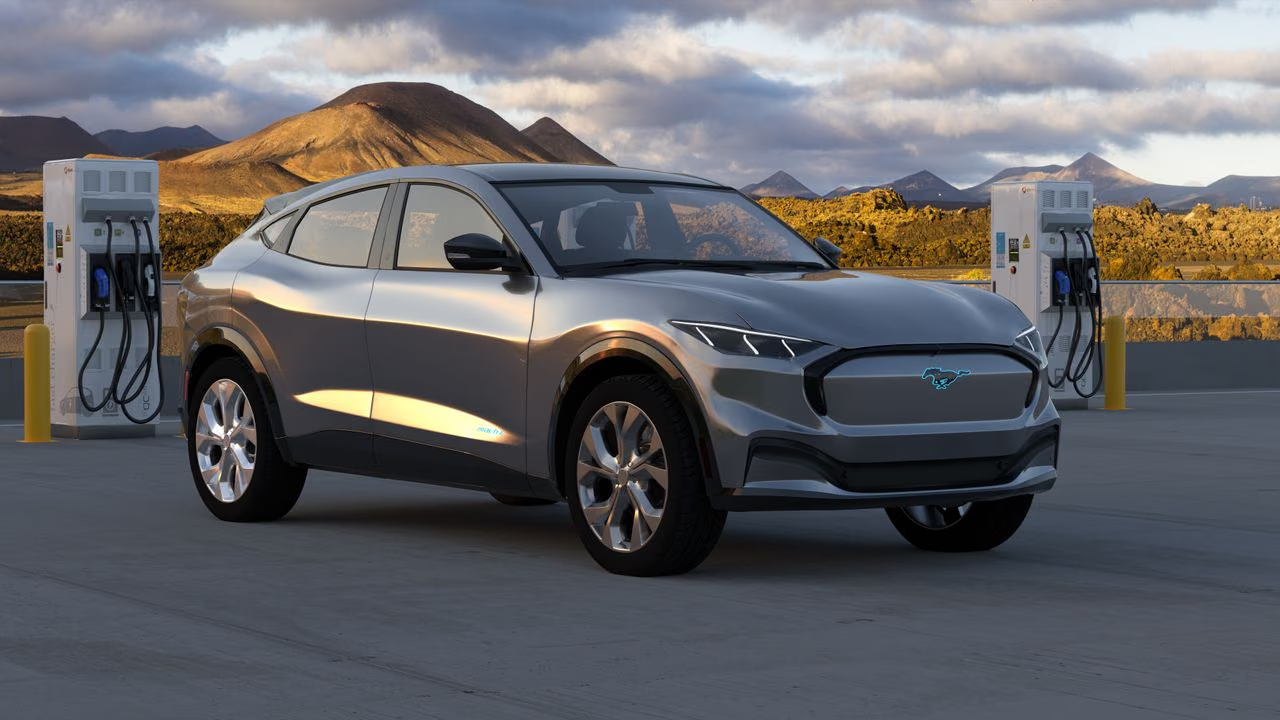
Electric Motors and Their Benefits
Electric motors have become increasingly popular in various industries due to their numerous advantages. In this article, we will explore the benefits of electric motors, including their maintenance-free nature, lightweight design, and regenerative braking capabilities.
Maintenance-Free
One of the key advantages of electric motors is that they are virtually maintenance-free. Unlike traditional combustion engines, electric motors do not require regular oil changes, spark plug replacements, or other time-consuming maintenance tasks. This not only saves time but also reduces the overall cost of ownership.
Electric motors have fewer moving parts compared to combustion engines, which means there are fewer components that can wear out or break down. This results in increased reliability and longevity, making electric motors an excellent choice for applications where continuous operation is essential.
Lightweight
Another significant benefit of electric motors is their lightweight design. Electric motors are typically smaller and lighter than their combustion engine counterparts, making them ideal for applications where weight is a critical factor, such as in electric vehicles or portable devices.
The lightweight nature of electric motors also contributes to improved energy efficiency. With less weight to move, electric motors require less energy to operate, resulting in reduced power consumption and increased overall efficiency.
Regenerative Braking
Electric motors are known for their regenerative braking capabilities, which is a feature that allows them to recover and store energy during braking. When a vehicle equipped with an electric motor decelerates or brakes, the motor acts as a generator, converting the kinetic energy of the vehicle into electrical energy.
This electrical energy is then stored in a battery or used to power other systems, such as the vehicle’s onboard electronics. Regenerative braking not only helps to increase the overall energy efficiency of electric vehicles but also extends their range by reducing the reliance on the primary power source.
Conclusion
Electric motors offer several benefits, including their maintenance-free nature, lightweight design, and regenerative braking capabilities. These advantages make electric motors a compelling choice for various applications, ranging from electric vehicles to industrial machinery.
By opting for electric motors, businesses and individuals can enjoy reduced maintenance requirements, improved energy efficiency, and enhanced overall performance. As technology continues to advance, electric motors are likely to become even more prevalent, revolutionizing the way we power our vehicles and machinery.



