



Electric Cars: Benefits and Incentives for Fleet Electrification
Electric cars in the commercial and fleet sector The adoption of electric vehicles (EVs) is rapidly growing in the commercial and fleet sector. As businesses…
By Rooks Hill Editorial3 min read
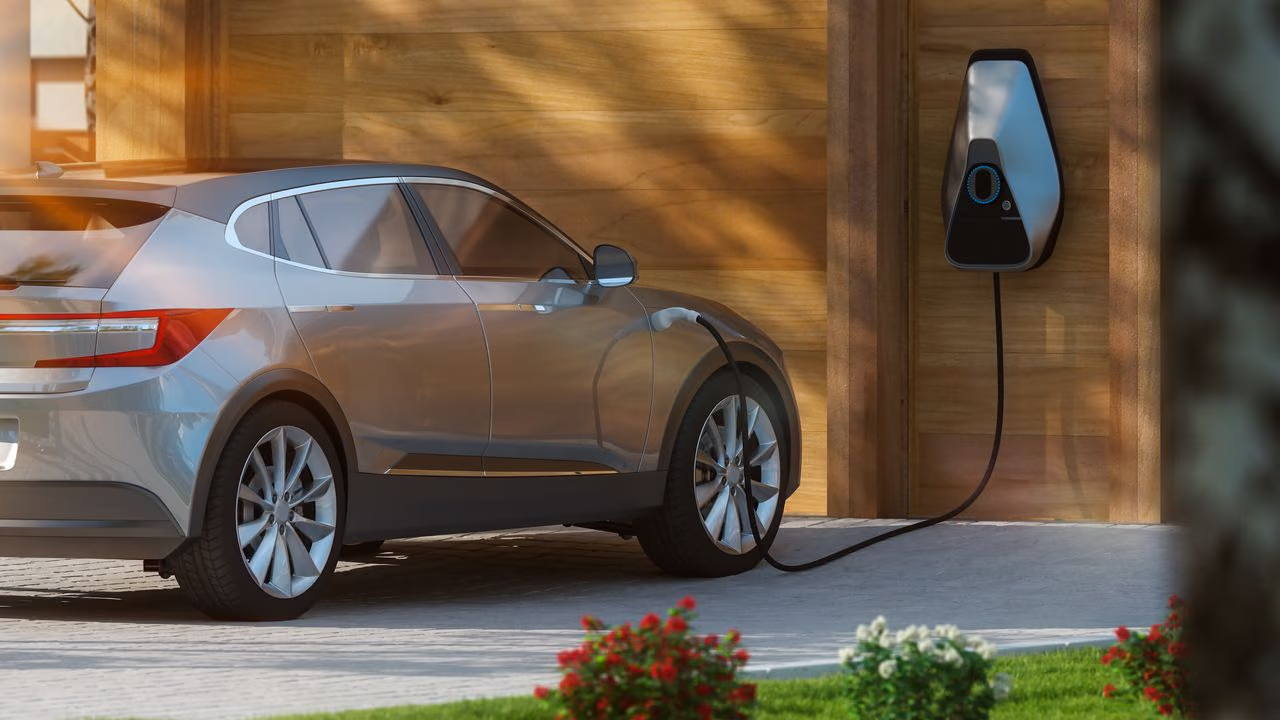
Electric cars in the commercial and fleet sector
The adoption of electric vehicles (EVs) is rapidly growing in the commercial and fleet sector. As businesses and organizations seek to reduce their carbon footprint and lower operating costs, electric cars are becoming an increasingly attractive option. In this article, we will explore the benefits of fleet electrification, fleet vehicle incentives, and EV leasing for fleets.
Fleet electrification benefits
Switching to electric vehicles offers several benefits for commercial and fleet operations. One of the primary advantages is the significant reduction in greenhouse gas emissions. EVs produce zero tailpipe emissions, helping organizations meet their sustainability goals and contribute to a cleaner environment.
Moreover, electric cars have lower operating costs compared to traditional internal combustion engine vehicles. The cost of electricity is generally lower than gasoline or diesel fuel, resulting in lower fuel expenses for fleet operators. Additionally, EVs have fewer moving parts, reducing maintenance and repair costs over the vehicle’s lifespan.
Another advantage of fleet electrification is the potential for energy independence. By installing charging infrastructure, businesses can generate their electricity from renewable sources such as solar or wind. This not only reduces dependence on fossil fuels but also provides long-term cost stability and resilience against fuel price fluctuations.
Fleet vehicle incentives
Government incentives play a crucial role in accelerating the adoption of electric vehicles in the commercial and fleet sector. Many countries and regions offer financial incentives, tax credits, and grants to businesses that switch to electric cars. These incentives can help offset the higher upfront costs of EVs and charging infrastructure.
In addition to national incentives, some local governments and utility companies provide specific programs tailored for fleet electrification. These programs often offer additional benefits such as discounted electricity rates, priority access to charging stations, and assistance with charging infrastructure installation.
Furthermore, fleet operators may be eligible for incentives related to vehicle registration and licensing. Some jurisdictions provide exemptions or reduced fees for electric vehicles, further reducing the total cost of ownership for fleet operators.
EV leasing for fleets
Leasing electric vehicles can be an attractive option for fleet operators looking to transition to electric mobility. EV leasing offers several advantages, including lower upfront costs and flexibility in vehicle selection. Leasing allows businesses to access the latest electric car models without the burden of ownership.
Furthermore, leasing contracts often include maintenance and warranty coverage, reducing the administrative burden and potential repair costs for fleet operators. As technology advances and battery prices continue to decrease, leasing allows businesses to upgrade their fleet with newer and more efficient electric vehicles.
Some leasing companies also provide tailored solutions for charging infrastructure, helping fleet operators install and manage their EV charging stations. This simplifies the transition to electric mobility and ensures a seamless charging experience for fleet vehicles.
Conclusion
Electric cars are revolutionizing the commercial and fleet sector, offering numerous benefits such as reduced emissions, lower operating costs, and potential energy independence. Government incentives and leasing options further facilitate the transition to electric mobility. As businesses and organizations prioritize sustainability and cost-efficiency, fleet electrification is becoming an increasingly viable and attractive solution.



