



Electric Cars: A Sustainable Transportation Solution
Overview of Electric Cars Electric vehicles (EVs) have gained significant popularity in recent years as a sustainable and environmentally friendly mode of…
By Rooks Hill Editorial3 min read
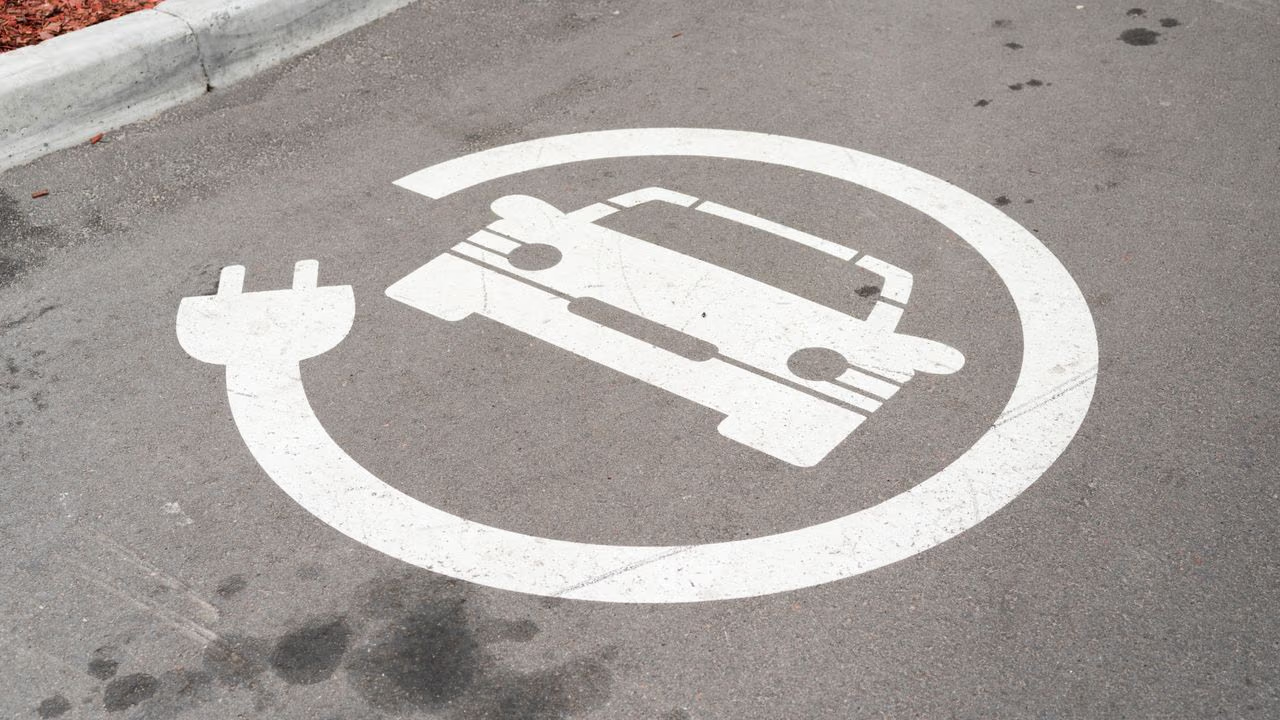
Overview of Electric Cars
Electric vehicles (EVs) have gained significant popularity in recent years as a sustainable and environmentally friendly mode of transportation. With the increasing concern over emissions reduction and the need to transition to cleaner energy sources, electric cars have emerged as a promising solution. This article provides an overview of electric cars and their impact on transportation.
What are Electric Cars?
Electric cars, also known as electric vehicles (EVs), are automobiles powered by one or more electric motors, using electrical energy stored in rechargeable batteries. Unlike conventional vehicles that rely on internal combustion engines, electric cars use electricity to generate power and propel the vehicle forward.
Electric cars come in various forms, including battery electric vehicles (BEVs) and plug-in hybrid electric vehicles (PHEVs). BEVs solely rely on electric power and need to be charged from an external power source, such as a charging station or a home outlet. On the other hand, PHEVs combine an electric motor with a conventional engine, allowing the vehicle to switch between electric and gasoline power.
Benefits of Electric Cars
One of the primary advantages of electric cars is their contribution to emissions reduction. Unlike gasoline-powered vehicles, electric cars produce zero tailpipe emissions, which helps combat air pollution and reduce greenhouse gas emissions. By transitioning to electric vehicles, we can significantly reduce our carbon footprint and mitigate the negative impacts of transportation on the environment.
In addition to environmental benefits, electric cars offer several advantages over conventional vehicles. They are quieter, have lower maintenance costs, and provide a smoother driving experience. Moreover, as the technology advances and more charging infrastructure is developed, electric cars are becoming more accessible and convenient for everyday use.
Challenges and Solutions
Despite their numerous benefits, electric cars still face certain challenges that hinder their widespread adoption. One of the main concerns is the limited driving range offered by current battery technology. However, significant advancements have been made in recent years, and newer electric car models can now travel longer distances on a single charge.
Another challenge is the availability of charging infrastructure. To encourage the adoption of electric vehicles, governments and private organizations are investing in the development of charging stations across the globe. This infrastructure expansion aims to alleviate range anxiety and provide electric car owners with more charging options, both at home and on the road.
The Future of Electric Cars
As the world strives to reduce emissions and combat climate change, the future of electric cars looks promising. Many countries have set ambitious targets to phase out internal combustion engine vehicles and promote the adoption of electric vehicles. Governments are implementing incentives, such as tax credits and subsidies, to encourage consumers to switch to electric cars.
Furthermore, advancements in battery technology and the increasing affordability of electric vehicles are driving their popularity. As more automakers invest in electric vehicle production, the market is becoming more competitive, leading to improved features, longer driving ranges, and lower prices.
Conclusion
Electric cars offer a sustainable and eco-friendly solution to the transportation sector. With zero tailpipe emissions and various benefits over conventional vehicles, they are a key component in achieving emissions reduction targets. Although challenges remain, the future of electric cars looks promising, with increased investment in charging infrastructure and advancements in battery technology. As we continue to prioritize sustainability, electric cars will play a vital role in shaping the future of transportation.



