



Electric Car Manufacturers: Customer Satisfaction Analysis
Electric Car Manufacturers and Their Offerings: A Closer Look at Customer Satisfaction In recent years, the demand for electric vehicles (EVs) has…
By Rooks Hill Editorial3 min read
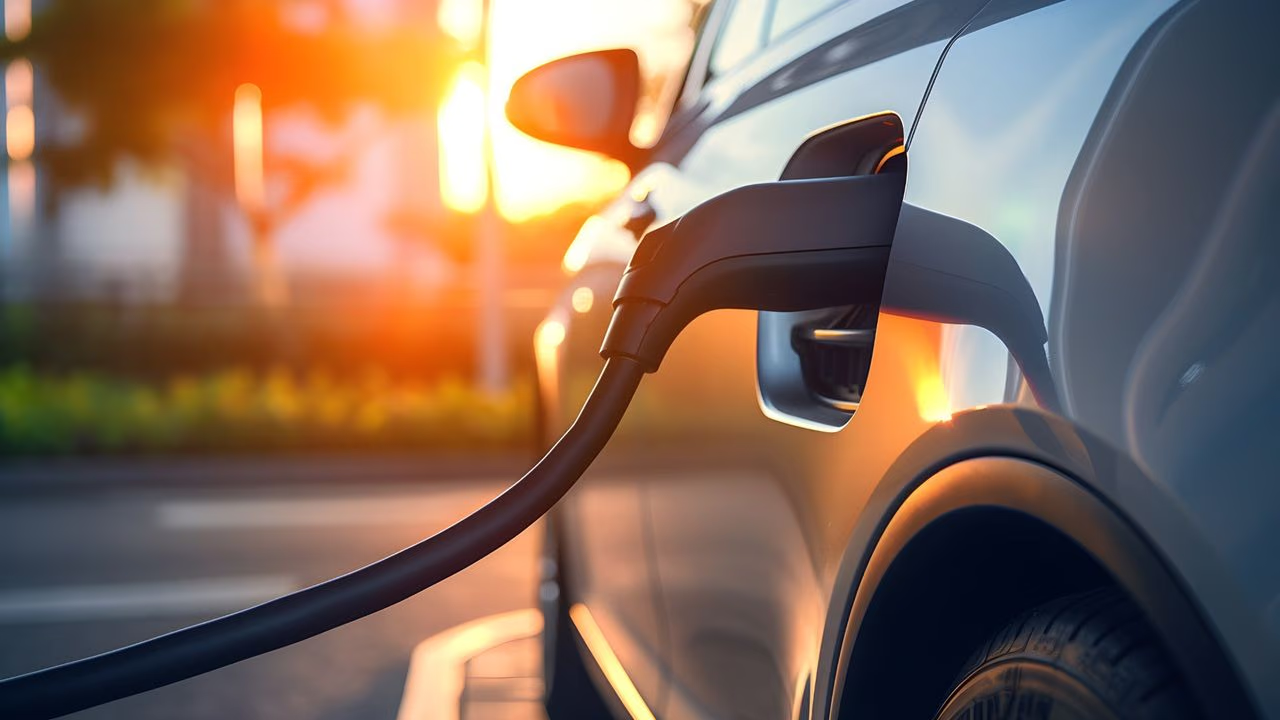
Electric Car Manufacturers and Their Offerings: A Closer Look at Customer Satisfaction
In recent years, the demand for electric vehicles (EVs) has skyrocketed, leading to an influx of automakers venturing into the EV market. With the increasing number of EV manufacturers, it becomes crucial to examine their offerings and evaluate customer satisfaction. In this article, we delve into the world of EV manufacturers and explore how they fare in meeting customer expectations.
Tesla: Setting the Bar High
Tesla, led by the visionary Elon Musk, is undeniably the pioneer in the EV industry. With its sleek designs, cutting-edge technology, and impressive range, Tesla has set the bar high for other automakers. The company’s flagship models, such as the Model S, Model 3, and Model X, have garnered widespread acclaim for their performance and range.
One of the key factors contributing to Tesla’s success is its extensive Supercharger network. This network allows Tesla owners to conveniently charge their vehicles at various locations, alleviating range anxiety. Furthermore, Tesla’s continuous software updates provide customers with new features and improvements, enhancing the overall ownership experience.
However, Tesla’s dominance in the EV market has not come without challenges. Some customers have reported issues with build quality and customer service, leading to mixed reviews. Nevertheless, Tesla’s commitment to innovation and its loyal customer base make it a force to be reckoned with in the EV industry.
Nissan: Affordable and Practical
Nissan, with its popular Leaf model, has established itself as a prominent player in the EV market. The Leaf offers a more affordable option for consumers looking to transition to electric mobility. With its practical range and reliable performance, the Leaf has gained a significant market share.
While Nissan may not offer the same level of luxury or cutting-edge technology as Tesla, the company focuses on providing a reliable and cost-effective EV solution. The Leaf’s affordability, combined with Nissan’s widespread dealership network, has made it an attractive choice for many customers.
However, some customers have expressed concerns about the Leaf’s limited range and slower charging speeds compared to other EVs on the market. Despite these limitations, Nissan’s commitment to sustainability and accessibility has earned it a loyal customer base.
Chevrolet: Striving for Versatility
Chevrolet’s entry into the EV market came in the form of the Chevrolet Bolt EV. This compact electric vehicle offers an impressive range and a spacious interior, making it a versatile option for urban dwellers and families alike.
One of the key advantages of the Bolt EV is its affordability compared to other long-range EVs. Chevrolet has managed to strike a balance between price and performance, making the Bolt EV an appealing choice for budget-conscious customers.
However, some customers have reported concerns regarding the Bolt EV’s build quality and lack of advanced features. Additionally, Chevrolet’s charging infrastructure is not as extensive as Tesla’s Supercharger network, which can be a drawback for long-distance travel.
Conclusion
As the EV market continues to evolve, automakers are striving to meet customer expectations and offer compelling electric vehicles. Tesla, with its innovative technology and loyal customer base, remains at the forefront of the industry. Nissan, on the other hand, focuses on affordability and practicality, while Chevrolet aims to provide versatility at a lower price point.
While each automaker has its strengths and weaknesses, customer satisfaction remains a crucial aspect. As more EV manufacturers enter the market, it will be interesting to see how they adapt and improve their offerings to meet the growing demands of customers.



