



Electric Car Maintenance: Keeping Your EV in Top Shape
Electric Car Maintenance and Servicing: Keeping Your EV in Top Shape Electric vehicles (EVs) have gained immense popularity in recent years, thanks to their…
By Rooks Hill Editorial3 min read
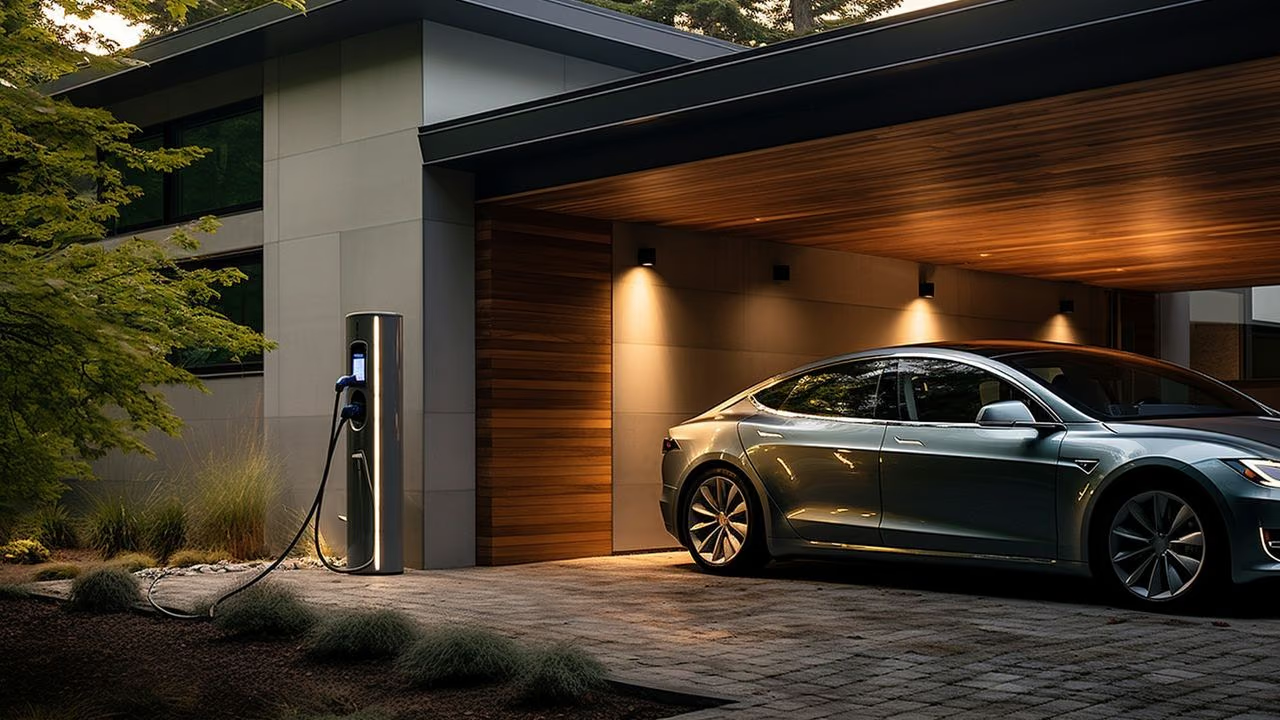
Electric Car Maintenance and Servicing: Keeping Your EV in Top Shape
Electric vehicles (EVs) have gained immense popularity in recent years, thanks to their eco-friendly nature and cost-saving benefits. However, just like any other vehicle, EVs require regular maintenance and servicing to ensure optimal performance and longevity. In this article, we will explore the importance of EV repairs, battery maintenance, and the overall costs associated with maintaining an electric car.
EV Repairs: Addressing Issues Promptly
While electric cars are generally more reliable and have fewer moving parts compared to traditional internal combustion engine vehicles, they are not immune to occasional breakdowns or malfunctions. When faced with an issue, it is crucial to address it promptly to prevent further damage and ensure the safety of both the driver and the vehicle.
When it comes to EV repairs, it is recommended to seek assistance from certified technicians who specialize in electric vehicles. These professionals possess the necessary expertise and knowledge to diagnose and fix any electrical or mechanical issues that may arise. Additionally, they have access to specialized tools and equipment required for EV repairs, ensuring that the job is done efficiently and accurately.
Battery Maintenance: Extending Lifespan and Efficiency
The battery is the heart of an electric car, and proper maintenance is essential to maximize its lifespan and efficiency. Here are a few tips to keep your EV’s battery in optimal condition:
- Regular Charging: Follow the manufacturer’s guidelines for charging your EV. Avoid frequently charging the battery to its maximum capacity or letting it drain completely, as this can put unnecessary strain on the battery cells.
- Temperature Control: Extreme temperatures can negatively impact the performance and longevity of the battery. Whenever possible, park your electric car in a shaded area or a garage to minimize exposure to extreme heat or cold.
- Software Updates: Manufacturers often release software updates to optimize battery performance. Make sure to stay up-to-date with these updates and install them as recommended.
- Regular Inspections: Periodically inspect the battery for any signs of damage or degradation. If you notice any abnormalities, such as reduced range or slower charging times, consult a professional for further evaluation.
Maintenance Costs: A Worthwhile Investment
One of the concerns often associated with electric cars is the perceived high maintenance costs. While it is true that certain components of an EV, such as the battery, may require occasional replacement, the overall maintenance costs are generally lower compared to traditional gasoline-powered vehicles.
EVs have fewer moving parts, which means there are fewer components that can wear out or break down. This translates to reduced maintenance and repair expenses over the lifetime of the vehicle. Additionally, electric cars do not require oil changes or regular tune-ups, further reducing the overall maintenance costs.
It is important to note that the initial investment in an electric car may be higher than that of a conventional vehicle. However, the long-term savings in fuel costs and lower maintenance expenses often offset this initial cost.
In Conclusion
Maintaining an electric car involves addressing repairs promptly, taking care of the battery, and understanding the overall costs associated with maintenance. By following these guidelines and seeking professional assistance when needed, you can ensure that your EV remains in top shape, providing you with a smooth and eco-friendly driving experience for years to come.



