



Electric Car Maintenance Guide: EV Warranty & Scheduled Maintenance
Electric Car Maintenance and Servicing: A Comprehensive Guide Electric vehicles (EVs) have gained significant popularity in recent years due to their…
By Rooks Hill Editorial3 min read
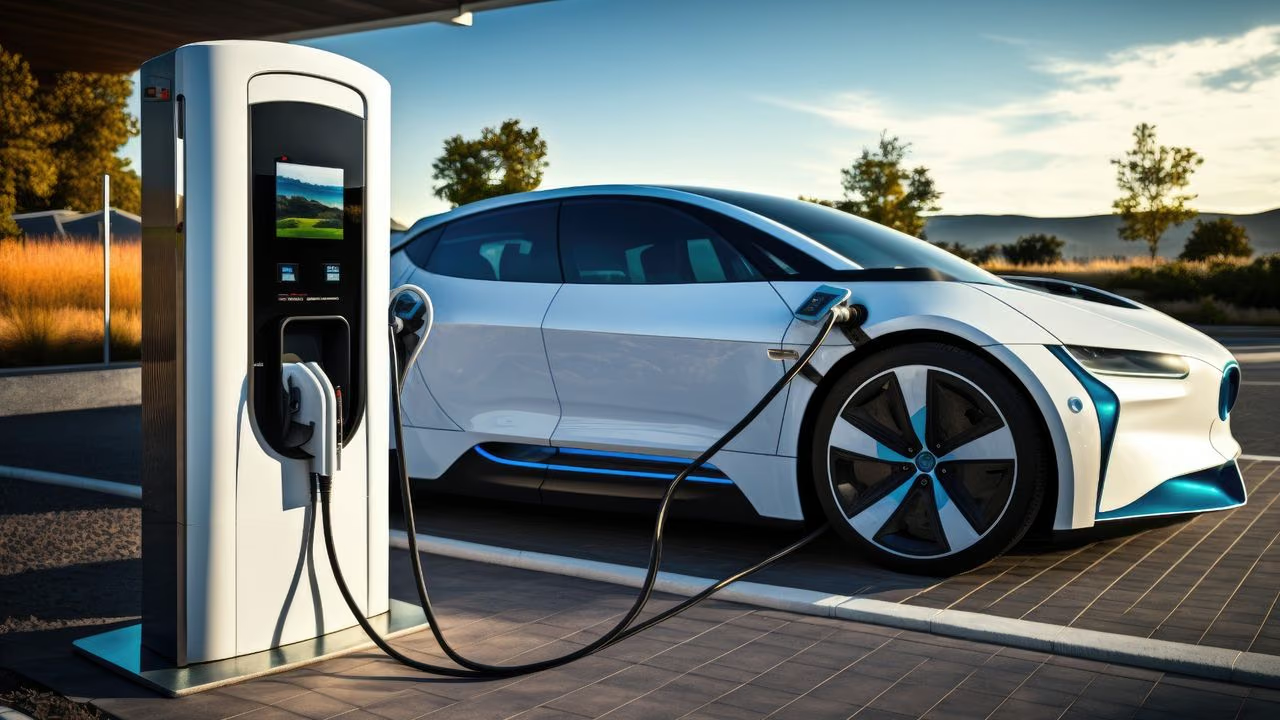
Electric Car Maintenance and Servicing: A Comprehensive Guide
Electric vehicles (EVs) have gained significant popularity in recent years due to their environmental benefits and cost savings on fuel. However, like any other vehicle, EVs require regular maintenance and servicing to ensure optimal performance and longevity. In this article, we will delve into the key aspects of EV maintenance, including scheduled maintenance and the EV warranty.
Scheduled Maintenance for Electric Vehicles
Just like conventional cars, EVs also require routine maintenance to keep them running smoothly. However, the maintenance requirements for EVs differ slightly from those of traditional internal combustion engine vehicles. Here are some essential aspects of scheduled maintenance for electric cars:
Battery Health Check
The battery is the heart of an electric vehicle, and its health is crucial for optimal performance. Regular battery health checks are necessary to ensure that the battery is functioning efficiently and to identify any potential issues. These checks typically involve monitoring the battery’s state of charge, capacity, and overall performance.
Tire Rotation and Alignment
Proper tire rotation and alignment are essential for both EVs and traditional cars. Regularly rotating the tires helps distribute wear evenly, prolonging their lifespan. Additionally, ensuring proper alignment can improve fuel efficiency and overall driving experience.
Brake Inspection
EVs utilize regenerative braking, which helps recharge the battery while slowing down the vehicle. This feature reduces the wear and tear on the brake pads, resulting in less frequent brake replacements. However, regular brake inspections are still necessary to ensure optimal performance and safety.
Fluid Checks
While EVs do not have oil changes like internal combustion engine vehicles, they still require fluid checks. These checks include inspecting the coolant levels, brake fluid, and windshield washer fluid. Maintaining proper fluid levels is essential for the overall functioning of the vehicle.
EV Warranty
When purchasing an electric vehicle, it is crucial to understand the warranty coverage provided by the manufacturer. The EV warranty typically covers specific components and systems for a certain period or mileage. Here are some key points to consider regarding the EV warranty:
Battery Warranty
The battery is one of the most expensive components of an electric vehicle. Therefore, it is essential to understand the battery warranty coverage. Most EV manufacturers offer separate warranties for the battery, which can range from 8 to 10 years or a specific mileage limit. Understanding the battery warranty terms and conditions is crucial for any EV owner.
Drivetrain and Components
In addition to the battery, the drivetrain and other components of an EV are typically covered under the warranty. This coverage ensures that any defects or malfunctions in these essential parts are repaired or replaced by the manufacturer within the warranty period.
Extended Warranty Options
Some manufacturers offer extended warranty options for EV owners who want additional coverage beyond the standard warranty period. These extended warranties can provide peace of mind and financial security in case of unexpected repairs or component failures.
Conclusion
Regular maintenance and servicing are vital for maintaining the performance and longevity of electric vehicles. By following the scheduled maintenance guidelines and understanding the EV warranty coverage, owners can ensure that their EVs operate efficiently and enjoy a hassle-free driving experience.



