



Efficient EV Charging Station Scheduling
EV Charging Station Scheduling: Ensuring Convenient and Efficient Charging In recent years, the adoption of electric vehicles (EVs) has been steadily…
By Rooks Hill Editorial3 min read
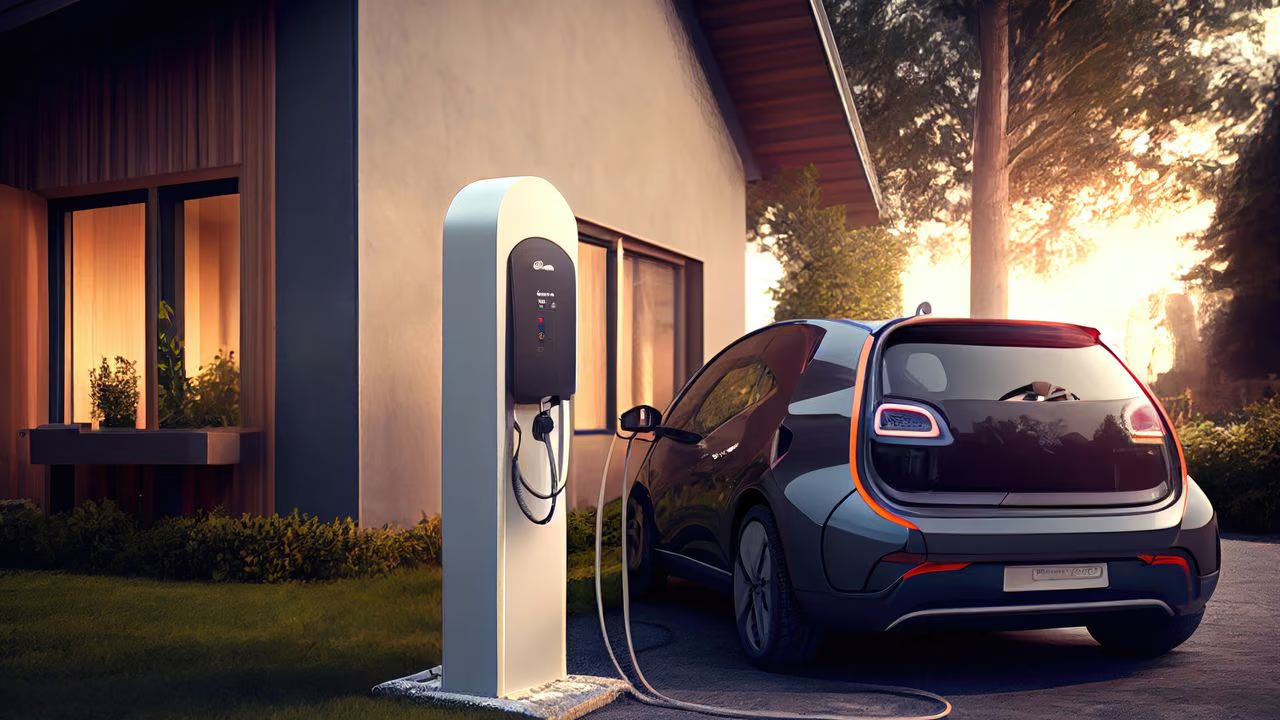
EV Charging Station Scheduling: Ensuring Convenient and Efficient Charging
In recent years, the adoption of electric vehicles (EVs) has been steadily increasing as more individuals and businesses recognize the environmental and economic benefits they offer. However, one of the challenges that come with owning an EV is ensuring convenient access to charging stations. This is where EV charging station scheduling comes into play.
What is EV Charging Station Scheduling?
EV charging station scheduling refers to the process of managing and allocating time slots for EV owners to use charging stations. It aims to ensure that there are enough charging slots available for all users while minimizing waiting times and maximizing the utilization of charging infrastructure.
Traditionally, EV owners would have to rely on a first-come, first-served basis when it comes to accessing charging stations. This often led to frustration and inconvenience, especially during peak hours when demand outweighed supply. However, with the advent of advanced technologies, charging station scheduling has become more efficient and user-friendly.
Charging Station Scheduling Notifications
One of the key features of modern EV charging station scheduling systems is the ability to send notifications to users. These notifications can inform EV owners about the availability of charging stations, upcoming time slots, and any changes or updates to their scheduled charging sessions.
By receiving timely notifications, EV owners can plan their charging sessions in advance, ensuring they can make the most of their time and avoid unnecessary waiting. This feature is particularly useful for individuals who rely heavily on their EVs for daily commuting or businesses that operate a fleet of electric vehicles.
Charging Station Availability and Smart Contracts
Another aspect of EV charging station scheduling is the utilization of smart contracts. Smart contracts are self-executing contracts with predefined rules and conditions. In the context of charging station scheduling, smart contracts can be used to automate the allocation of time slots based on availability.
When a user requests a charging session, the smart contract can check the availability of charging stations and allocate a time slot accordingly. This ensures that there is no overlap or double-booking of charging stations, optimizing the utilization of the infrastructure.
Furthermore, smart contracts can also facilitate the payment process for charging sessions. Once the session is completed, the smart contract can automatically calculate the energy consumed and charge the user accordingly, eliminating the need for manual payment processing.
The Benefits of Efficient Charging Station Scheduling
Efficient EV charging station scheduling offers numerous benefits for both EV owners and charging infrastructure operators. For EV owners, it ensures convenient access to charging stations, reduces waiting times, and allows for better planning of their charging needs.
On the other hand, charging infrastructure operators can maximize the utilization of their stations, leading to increased revenue generation. By implementing smart contracts and automated scheduling systems, operators can streamline their operations, reduce administrative tasks, and provide a better user experience for EV owners.
In Conclusion
EV charging station scheduling plays a crucial role in ensuring convenient and efficient access to charging infrastructure for EV owners. With the use of advanced technologies such as charging station scheduling notifications and smart contracts, the process has become more streamlined and user-friendly.
As the adoption of electric vehicles continues to grow, it is essential for charging infrastructure operators to invest in efficient scheduling systems to meet the increasing demand. By doing so, they can contribute to the widespread adoption of EVs and create a sustainable future for transportation.



