



Efficient EV Charging Station Management
EV Charging Station Management: Optimizing Scheduling, Monitoring, and Optimization Electric vehicles (EVs) are becoming increasingly popular as a sustainable…
By Rooks Hill Editorial2 min read
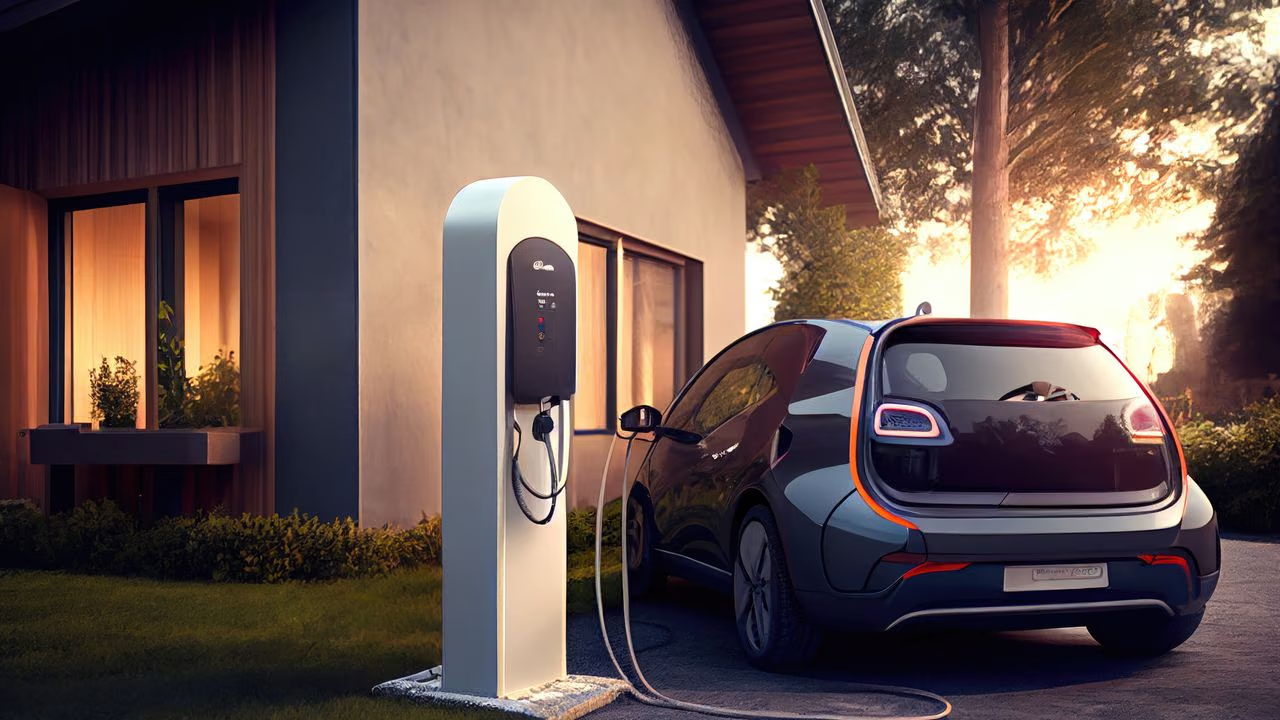
EV Charging Station Management: Optimizing Scheduling, Monitoring, and Optimization
Electric vehicles (EVs) are becoming increasingly popular as a sustainable mode of transportation. As the demand for EVs rises, so does the need for efficient and effective charging infrastructure. EV charging station management plays a crucial role in ensuring that charging stations are utilized optimally, scheduled efficiently, and monitored effectively.
Charging Station Scheduling
One of the key aspects of EV charging station management is scheduling. Efficient scheduling ensures that charging stations are available when and where they are needed, minimizing waiting times for EV owners. Charging station scheduling involves coordinating the charging needs of multiple EVs, considering factors such as charging time, battery capacity, and charging station availability.
Advanced charging station management systems use sophisticated algorithms to optimize scheduling. These algorithms take into account various parameters, including historical charging patterns, predicted demand, and real-time data from charging stations. By analyzing this data, the system can allocate charging slots effectively, maximizing the utilization of charging stations and minimizing waiting times.
Charging Station Optimization
In addition to scheduling, charging station optimization plays a crucial role in efficient EV charging station management. Optimization involves maximizing the performance and capacity of charging stations, ensuring that they can cater to the growing demand for EV charging.
Charging station optimization includes factors such as power distribution, load balancing, and infrastructure expansion. By analyzing data on charging patterns and demand, charging station management systems can identify peak usage times and allocate power resources accordingly. Load balancing techniques distribute the charging load evenly across multiple charging stations, preventing overloading and ensuring efficient charging for all EVs.
Furthermore, charging station optimization involves continuously monitoring the performance of charging stations. Real-time monitoring allows operators to identify any issues or faults promptly. By addressing these issues promptly, downtime can be minimized, ensuring that charging stations are always available for use.
Charging Station Monitoring
Monitoring is a critical aspect of EV charging station management. By continuously monitoring charging stations, operators can gather valuable data on usage patterns, energy consumption, and performance. This data can then be used to improve scheduling, optimize charging station capacity, and identify areas for infrastructure expansion.
Charging station monitoring involves the use of sensors and smart meters to collect real-time data. This data is then transmitted to a central management system, where it is analyzed and used to make informed decisions. By monitoring charging stations, operators can also detect any unauthorized usage or tampering, ensuring the security and integrity of the charging infrastructure.
Conclusion
EV charging station management plays a crucial role in ensuring the efficient and effective operation of charging infrastructure. By optimizing scheduling, monitoring performance, and optimizing charging station capacity, operators can meet the growing demand for EV charging while providing a seamless experience for EV owners. As the popularity of EVs continues to rise, investing in advanced charging station management systems will be essential to support the transition to a sustainable future.



