



Efficient EV Charging Session Monitoring for Fleet Management
EV Charging Session Monitoring: A Key Tool for Efficient Fleet Management As the world moves towards a more sustainable future, electric vehicles (EVs) are…
By Rooks Hill Editorial2 min read
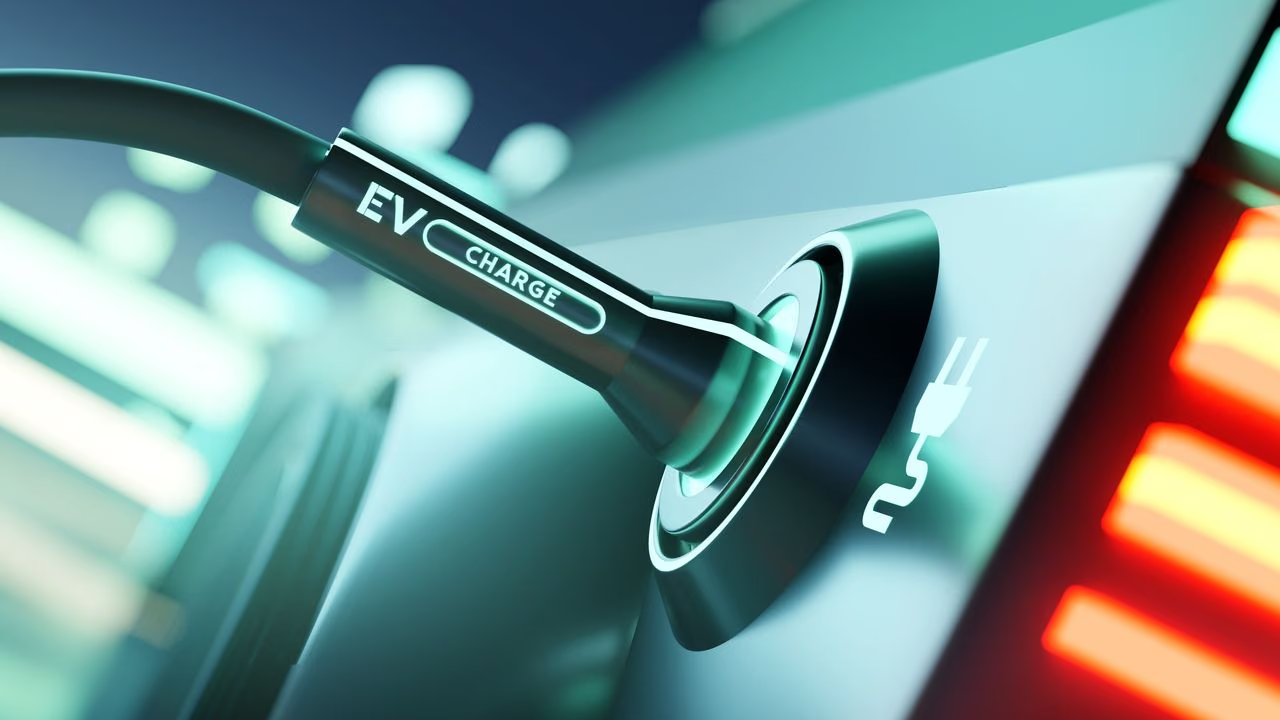
EV Charging Session Monitoring: A Key Tool for Efficient Fleet Management
As the world moves towards a more sustainable future, electric vehicles (EVs) are becoming increasingly popular. With the rise in EV adoption, the need for efficient charging infrastructure and management has become crucial. EV charging session monitoring is an essential tool that provides valuable insights into charging session transaction details, fleet management, and historical data analysis.
Charging Session Transaction Details
Monitoring EV charging sessions allows businesses and individuals to keep track of important transaction details. This includes information such as the start and end time of each charging session, the amount of energy consumed, and the cost associated with each session. By having access to this data, EV owners can easily track their charging expenses and make informed decisions about their charging habits.
For businesses with a fleet of electric vehicles, monitoring charging session transaction details is even more critical. It enables fleet managers to accurately allocate charging costs to individual vehicles or departments, ensuring fair and transparent billing. This information can also be used to optimize charging schedules, avoiding peak demand periods and reducing overall charging costs.
Charging Session Fleet Management
Efficient fleet management is essential for businesses that rely on electric vehicles. Monitoring charging sessions provides valuable insights into the charging behavior of each vehicle in the fleet. Fleet managers can track the charging frequency, duration, and energy consumption of individual vehicles, allowing them to identify any anomalies or potential issues.
By having access to real-time data, fleet managers can ensure that each vehicle is charged optimally, minimizing downtime and maximizing operational efficiency. They can also identify any vehicles that are consistently underutilized or overutilized, allowing for better resource allocation and cost optimization.
Charging Session Historical Data Analysis
One of the most valuable aspects of EV charging session monitoring is the ability to analyze historical data. By collecting and analyzing data over time, businesses and individuals can gain insights into long-term charging patterns and trends.
Historical data analysis can help identify peak charging periods, allowing businesses to plan and allocate resources accordingly. For example, if there is a consistent surge in charging demand during certain hours of the day, businesses can adjust their charging schedules to avoid overloading the charging infrastructure.
Furthermore, historical data analysis can provide valuable insights into the overall health and performance of the charging infrastructure. By monitoring factors such as charging speed, energy consumption, and any charging errors or interruptions, businesses can identify potential maintenance or upgrade needs before they become major issues.
Conclusion
EV charging session monitoring is a powerful tool that offers valuable insights into charging session transaction details, fleet management, and historical data analysis. By utilizing this tool, businesses and individuals can optimize their charging habits, reduce costs, and ensure the efficient operation of their electric vehicles. As the demand for EVs continues to grow, investing in robust monitoring systems will become increasingly important for a sustainable and well-managed future.



