



Efficient and Convenient EV Charging Station Scheduling
EV Charging Station Scheduling: Prioritizing Efficiency and Convenience Electric vehicles (EVs) have become increasingly popular as more people become aware…
By Rooks Hill Editorial3 min read
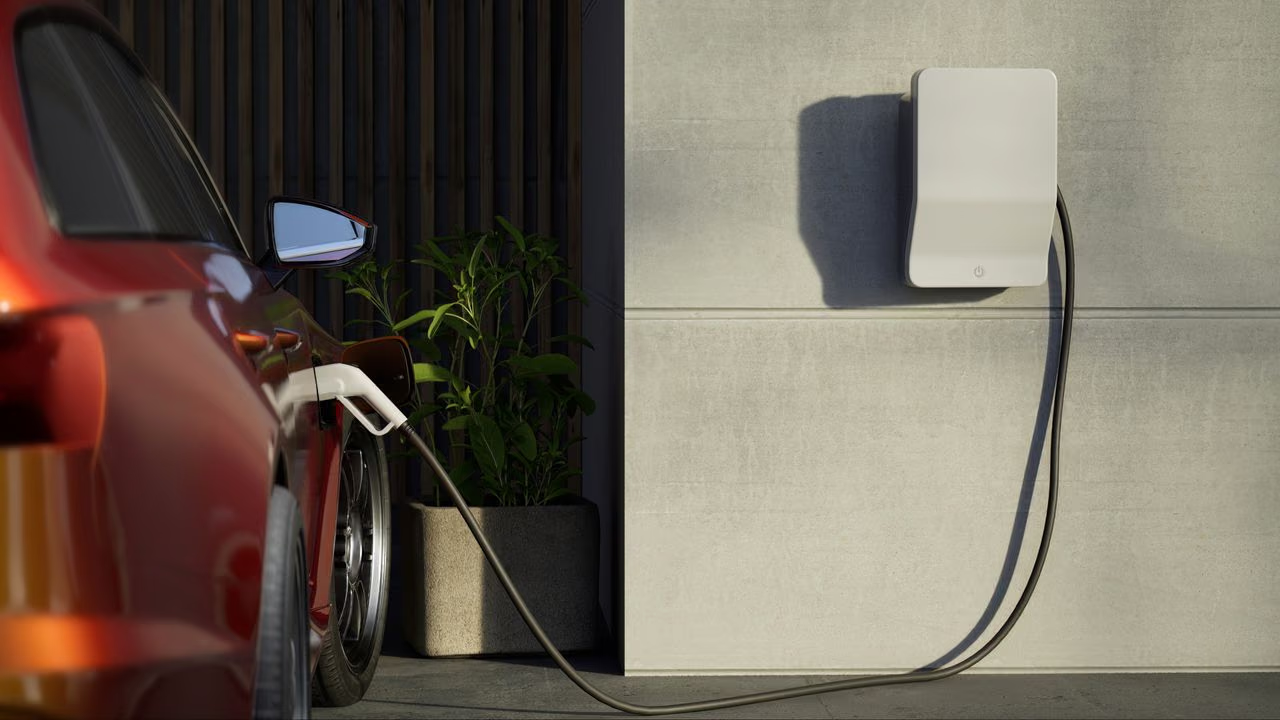
EV Charging Station Scheduling: Prioritizing Efficiency and Convenience
Electric vehicles (EVs) have become increasingly popular as more people become aware of the environmental benefits and cost savings they offer. However, one of the biggest concerns for EV owners is finding a charging station when they need it. This is where EV charging station scheduling comes in, allowing EV owners to reserve a charging station ahead of time and avoid the frustration of arriving at a station only to find it occupied.
Charging Station Priority
One of the key aspects of EV charging station scheduling is determining the priority of charging stations. In general, charging stations should be prioritized based on their location and the demand for charging in that area. For example, a charging station located in a busy city center should have a higher priority than one located in a rural area with less traffic.
Another factor to consider is the type of charging station. Level 1 charging stations, which use a standard 120-volt outlet, are slower than Level 2 charging stations, which use a 240-volt outlet. Therefore, Level 2 charging stations should have a higher priority than Level 1 stations to ensure that EV owners can charge their vehicles more quickly.
Charging Station Dynamic Scheduling
Dynamic scheduling is another important aspect of EV charging station scheduling. This means that charging stations can be reserved on a flexible schedule, allowing EV owners to adjust their charging times based on their needs. For example, if an EV owner needs to leave earlier than expected, they can adjust their charging schedule to finish charging earlier.
Dynamic scheduling also allows charging stations to be reserved for shorter periods of time, which can increase the availability of charging stations for other EV owners. For example, if an EV owner only needs to charge for an hour, they can reserve a charging station for that time period, rather than reserving it for the entire day.
Charging Station Scheduling Rules
To ensure that EV charging station scheduling is fair and efficient, there are certain rules that should be followed. For example, charging stations should have a maximum reservation time to prevent EV owners from monopolizing a station for an extended period of time. Additionally, there should be penalties for EV owners who do not show up for their scheduled charging time, to discourage people from reserving stations and then not using them.
Another important rule is to allow for emergency charging. If an EV owner is in a situation where they need to charge their vehicle immediately, they should be able to use a charging station even if it is reserved. However, this should be done on a first-come, first-served basis, and the EV owner who reserved the station should be notified and given priority once they arrive.
Conclusion
EV charging station scheduling is an important tool for increasing the availability and convenience of charging stations for EV owners. By prioritizing charging stations based on location and demand, implementing dynamic scheduling, and following certain rules, EV owners can have a more efficient and stress-free charging experience. As the popularity of EVs continues to grow, it is important for cities and businesses to invest in EV charging infrastructure and implement effective scheduling systems to meet the needs of EV owners.



