



Comparing BEVs and PHEVs: Electric Vehicle Types
Types of Electric Vehicles (EVs): Battery Electric Vehicles (BEVs) vs. Plug-in Hybrid Electric Vehicles (PHEVs) Electric vehicles (EVs) are becoming…
By Rooks Hill Editorial3 min read
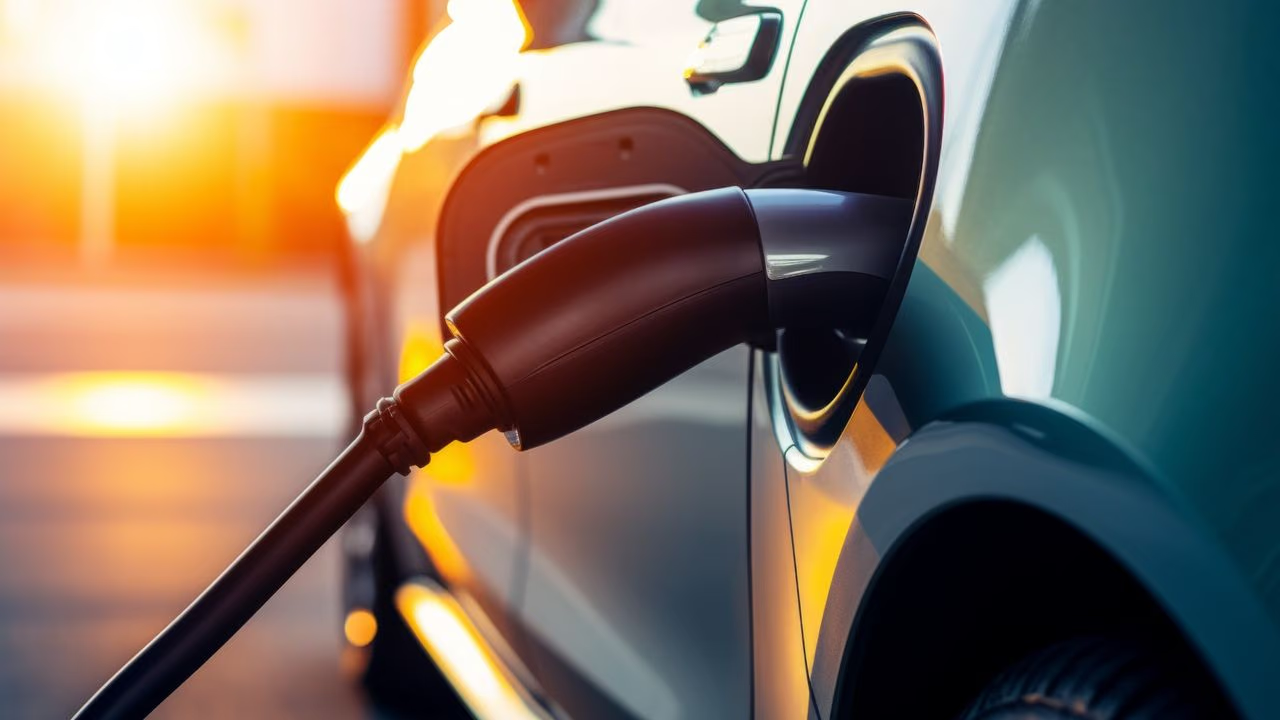
Types of Electric Vehicles (EVs): Battery Electric Vehicles (BEVs) vs. Plug-in Hybrid Electric Vehicles (PHEVs)
Electric vehicles (EVs) are becoming increasingly popular as people seek more environmentally friendly transportation options. With advancements in technology, EVs have become a viable alternative to traditional gasoline-powered cars. There are two main types of EVs: Battery Electric Vehicles (BEVs) and Plug-in Hybrid Electric Vehicles (PHEVs).
Battery Electric Vehicles (BEVs)
BEVs are fully electric vehicles that run solely on electricity. They are powered by a large battery pack, which stores electricity that is used to propel the vehicle. BEVs do not have a gasoline engine and produce zero tailpipe emissions, making them a clean and sustainable choice.
One advantage of BEVs is their fuel efficiency. Since they don’t rely on gasoline, the cost per mile to operate a BEV is significantly lower compared to a gasoline-powered car. Additionally, BEVs require less maintenance as they have fewer moving parts and don’t require oil changes.
However, a common concern with BEVs is their limited range. The range of a BEV depends on the size of the battery pack and can vary between models. Although the range has improved over the years, it is still a consideration for those who frequently drive long distances.
Charging infrastructure is another important aspect to consider when owning a BEV. Public charging stations are becoming more widespread, but they are not as prevalent as gasoline stations. Most BEV owners charge their vehicles at home using a dedicated charging station or a standard electrical outlet. The charging time can vary depending on the charging equipment and the size of the battery pack.
Plug-in Hybrid Electric Vehicles (PHEVs)
PHEVs combine an electric motor with a gasoline engine. They have a smaller battery pack compared to BEVs, which allows them to travel a limited distance on electric power alone. Once the battery is depleted, the gasoline engine kicks in, providing additional range.
One of the advantages of PHEVs is their flexibility. They offer the option to drive on electric power for short distances, reducing emissions and fuel consumption. For longer trips, the gasoline engine provides the necessary range, eliminating the range anxiety associated with BEVs.
PHEVs also benefit from a more established charging infrastructure. Since they have a gasoline engine, PHEVs can be refueled at any gasoline station, making them more convenient for longer trips. However, it’s important to note that PHEVs may not be as fuel-efficient as BEVs when operating solely on gasoline.
Another consideration with PHEVs is the added complexity of having both an electric motor and a gasoline engine. This complexity can result in higher maintenance costs compared to BEVs. PHEVs require regular servicing of both the electric and gasoline components.
In Conclusion
When choosing between a BEV and a PHEV, it ultimately comes down to your specific needs and preferences. If you have a predictable daily commute and access to charging infrastructure, a BEV may be a suitable choice. On the other hand, if you frequently take long trips and need the flexibility of a gasoline engine, a PHEV might be a better fit.
Both BEVs and PHEVs offer a greener alternative to traditional gasoline-powered cars, reducing greenhouse gas emissions and dependence on fossil fuels. As technology continues to advance, the range and charging infrastructure for EVs will improve, making them an even more attractive option for environmentally conscious drivers.



