



Breaking Barriers: Advancements in Electric Vehicle Battery Technology
Battery Technology and Advancements in Electric Vehicles: Breaking the Barriers Electric vehicles (EVs) have gained significant traction in recent years…
By Rooks Hill Editorial3 min read
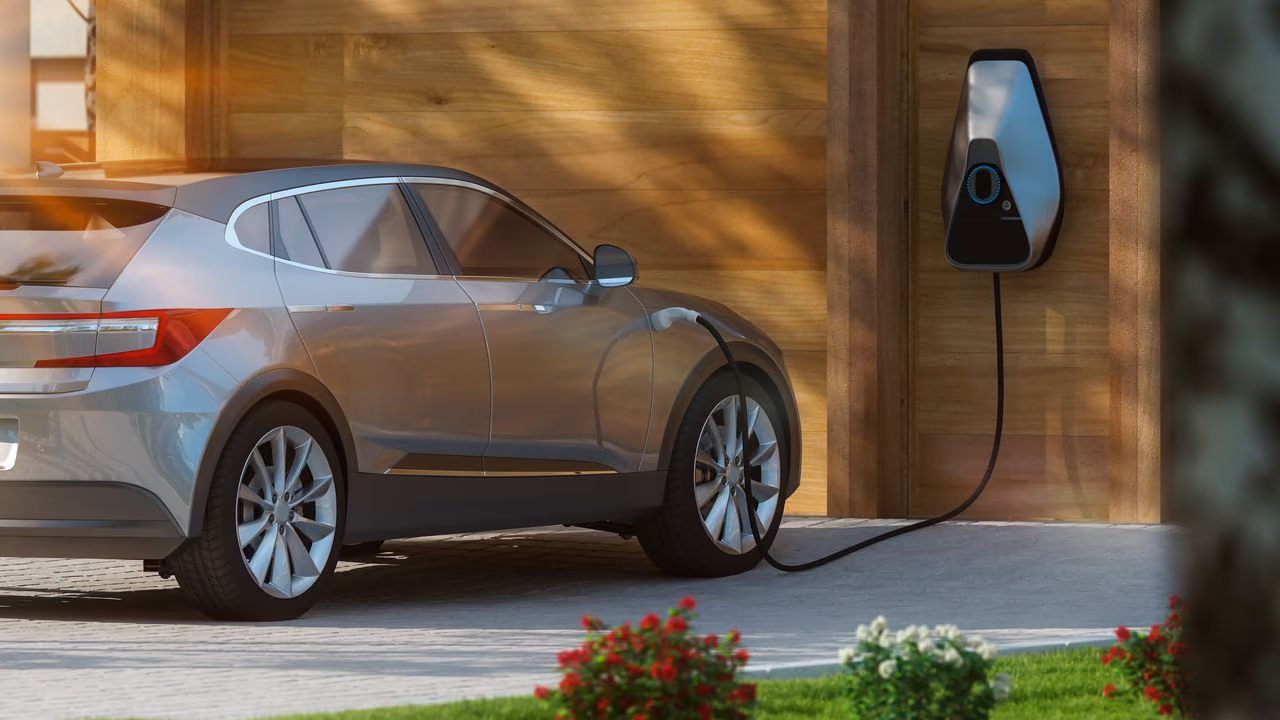
Battery Technology and Advancements in Electric Vehicles: Breaking the Barriers
Electric vehicles (EVs) have gained significant traction in recent years, thanks to advancements in battery technology. As the world moves towards a more sustainable future, the need for efficient and reliable energy storage solutions has become paramount. In this article, we delve into the key factors driving the evolution of battery technology, including energy density, charging technology, and the dreaded “range anxiety.”
The Quest for Higher Energy Density
Energy density is a critical factor in battery technology, determining how much energy can be stored within a given volume or weight. Higher energy density means longer driving ranges and lighter batteries, making EVs more practical and appealing to consumers.
Over the years, researchers and engineers have made remarkable progress in increasing energy density. Lithium-ion batteries, which dominate the EV market, have seen significant improvements. Innovations in electrode materials, such as the use of silicon anodes instead of graphite, have shown promise in boosting energy density.
Furthermore, solid-state batteries are emerging as the next frontier in energy storage. These batteries replace the liquid electrolyte found in traditional lithium-ion batteries with a solid-state electrolyte, offering even higher energy density and improved safety. Although still in the early stages of development, solid-state batteries hold immense potential for revolutionizing the EV industry.
Charging Technology: The Need for Speed
One of the main concerns for EV owners is the time it takes to charge their vehicles. Traditional charging methods, such as Level 1 and Level 2 charging, can be slow and inconvenient. However, advancements in charging technology are addressing this issue.
Fast-charging networks, like Tesla’s Supercharger network, are becoming more widespread, allowing EVs to charge at a much higher rate. These networks utilize high-power chargers that can replenish a significant portion of the battery’s capacity in a short amount of time. This not only reduces charging time but also alleviates range anxiety, as drivers can quickly top up their batteries during long journeys.
Moreover, wireless charging technology is on the horizon. Imagine parking your EV over a charging pad embedded in the ground, eliminating the need for cables and plugs. While still in the early stages of development, wireless charging has the potential to revolutionize the way we charge our vehicles, making it more convenient and hassle-free.
Conquering Range Anxiety
Range anxiety, the fear of running out of battery power before reaching a charging station, has been a significant barrier to widespread EV adoption. However, advancements in battery technology and charging infrastructure are gradually eradicating this concern.
With the increasing energy density of batteries, EVs can now achieve longer driving ranges on a single charge. Many modern EVs offer ranges of over 200 miles, with some models approaching the 400-mile mark. This extended range gives drivers more confidence and peace of mind, reducing the anxiety associated with running out of power.
Additionally, the growing network of charging stations, both public and private, ensures that drivers have access to convenient charging options wherever they go. As charging infrastructure continues to expand, range anxiety becomes less of a concern, further encouraging the adoption of EVs.
The Future is Electric
Battery technology is at the forefront of the electric vehicle revolution. Advancements in energy density, charging technology, and the gradual elimination of range anxiety are propelling the adoption of EVs worldwide. As we continue to prioritize sustainability and reduce our carbon footprint, the future of transportation undoubtedly lies in electric vehicles.
So, let’s embrace these advancements, break the barriers, and pave the way for a cleaner and greener future.



