



Battery Technology and Advancements in Electric Vehicles | Charging Infrastructure, Battery Chemistry, Charging Speed
Battery Technology and Advancements in Electric Vehicles Electric vehicles (EVs) have gained significant popularity in recent years as a sustainable…
By Rooks Hill Editorial2 min read
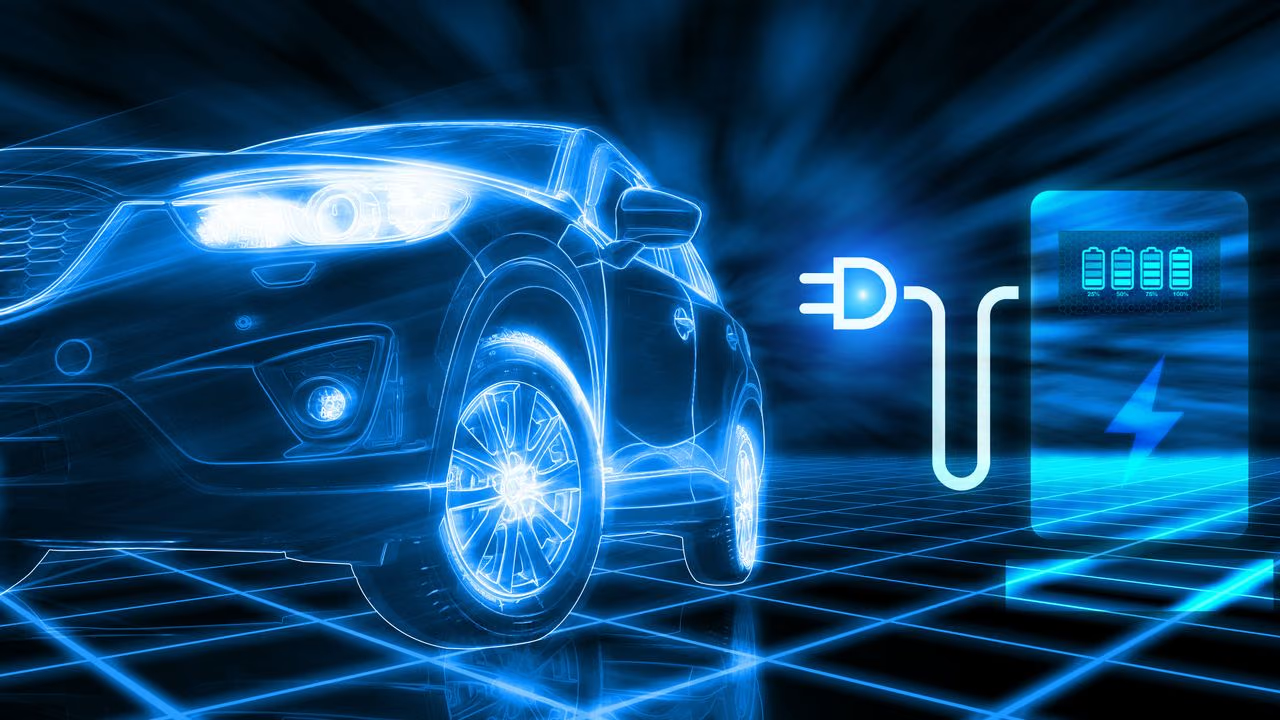
Battery Technology and Advancements in Electric Vehicles
Electric vehicles (EVs) have gained significant popularity in recent years as a sustainable alternative to traditional gasoline-powered cars. One of the key factors driving this shift is the continuous advancements in battery technology. In this article, we will explore the latest developments in battery chemistry, charging infrastructure, and charging speed that are revolutionizing the EV industry.
Battery Chemistry
The heart of any electric vehicle is its battery pack. Over the years, researchers and engineers have been working tirelessly to improve the energy density, longevity, and safety of batteries. Lithium-ion (Li-ion) batteries are currently the most common type used in EVs due to their high energy density and relatively low self-discharge rate.
However, researchers are actively exploring alternative battery chemistries to overcome the limitations of Li-ion batteries. Solid-state batteries, for instance, are being developed to replace the liquid electrolyte in Li-ion batteries with a solid material, enhancing safety and energy density. Additionally, researchers are investigating lithium-sulfur (Li-S) batteries, which have the potential to offer higher energy density and lower cost compared to Li-ion batteries.
Charging Infrastructure
One of the main concerns for EV owners is the availability and accessibility of charging stations. To address this issue, governments, private companies, and utility providers are investing heavily in expanding the charging infrastructure. Fast-charging stations, also known as Level 3 chargers, are being installed along major highways and in urban areas to enable long-distance travel and reduce charging time.
Moreover, smart charging solutions are being implemented to optimize the use of charging stations. These systems utilize advanced algorithms to distribute the charging load efficiently, preventing grid overload during peak hours. Additionally, vehicle-to-grid (V2G) technology allows EVs to discharge excess energy back into the grid, contributing to a more stable and sustainable energy system.
Charging Speed
The time it takes to charge an electric vehicle is a crucial factor for widespread adoption. Traditional charging methods, such as Level 1 and Level 2 chargers, can take several hours to fully charge an EV. However, advancements in charging technology have led to the development of Level 3 chargers, also known as DC fast chargers, which can charge an EV to 80% in as little as 30 minutes.
Furthermore, ultra-fast charging technologies are being researched to reduce charging times even further. Companies like Tesla are working on developing supercharger networks that can provide up to 250 kW of power, enabling a significant reduction in charging time. These advancements in charging speed will make EVs more convenient and comparable to refueling a traditional gasoline-powered car.
Conclusion
Battery technology is at the forefront of the electric vehicle revolution. Continuous advancements in battery chemistry, charging infrastructure, and charging speed are driving the widespread adoption of EVs. As researchers and engineers push the boundaries of what is possible, we can expect even more exciting developments in the near future, making electric vehicles an even more viable and sustainable transportation option.



