



Advancements in Electric Vehicle Battery Technology
Battery Technology and Advancements in Electric Vehicles Electric vehicles (EVs) are becoming increasingly popular as people seek more sustainable and…
By Rooks Hill Editorial3 min read
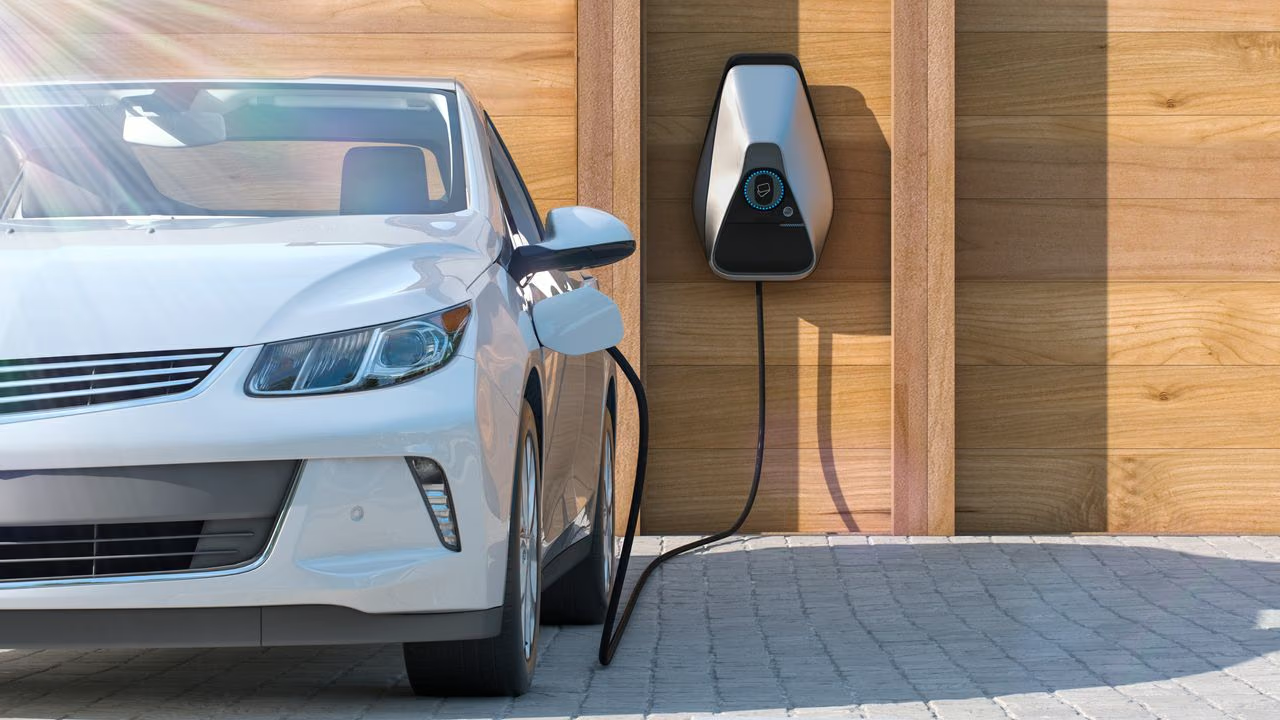
Battery Technology and Advancements in Electric Vehicles
Electric vehicles (EVs) are becoming increasingly popular as people seek more sustainable and environmentally friendly transportation options. One of the key components that determine the success of EVs is battery technology. In recent years, there have been significant advancements in battery technology, particularly in battery management systems, energy storage, and addressing range anxiety.
Battery Management Systems
Battery management systems (BMS) play a crucial role in ensuring the optimal performance and lifespan of EV batteries. BMS monitors various parameters such as temperature, voltage, and current to prevent overcharging or discharging, which can damage the battery. It also helps balance the individual cells within the battery pack, ensuring that they are all charged and discharged equally.
Advancements in BMS technology have resulted in more accurate monitoring and control, leading to improved battery efficiency and longevity. BMS also provides valuable data on battery health and performance, allowing users to make informed decisions regarding charging and usage patterns.
Energy Storage
Energy storage is a critical aspect of battery technology, as it determines the range and overall performance of EVs. Traditional lithium-ion batteries have been the go-to choice for EVs due to their high energy density and relatively low cost. However, researchers and manufacturers are constantly exploring new materials and technologies to enhance energy storage capabilities.
One promising development is the use of solid-state batteries, which replace the liquid electrolyte found in traditional lithium-ion batteries with a solid electrolyte. Solid-state batteries offer several advantages, including higher energy density, faster charging times, and improved safety. Although still in the early stages of development, solid-state batteries show great potential for revolutionizing the EV industry.
Addressing Range Anxiety
Range anxiety, the fear of running out of battery power before reaching a destination, has been a significant concern for potential EV buyers. However, advancements in battery technology are gradually alleviating this anxiety and increasing the driving range of EVs.
One approach to addressing range anxiety is through the development of higher capacity batteries. Manufacturers are continuously working on increasing the energy density of batteries, allowing them to store more power in a smaller and lighter package. This results in longer driving ranges and reduces the need for frequent recharging.
Another solution is the expansion of charging infrastructure. Governments and private companies are investing in the installation of charging stations in public places, workplaces, and residential areas. This network of chargers provides EV owners with convenient access to charging facilities, reducing concerns about finding a charging station during long journeys.
Moreover, fast-charging technology is improving, allowing EVs to recharge more quickly. Rapid charging stations can provide a significant amount of power in a short period, making it easier for EV owners to top up their batteries during a quick stop.
Conclusion
Battery technology is at the forefront of advancements in electric vehicles. Battery management systems ensure optimal performance and longevity, while energy storage technologies continue to evolve, offering higher energy densities and faster charging times. These advancements, along with the expansion of charging infrastructure, are gradually addressing range anxiety and making EVs a more viable option for everyday transportation.



