



Advancements in Electric Vehicle Battery Technology
Battery Technology and Advancements in Electric Vehicles Electric vehicles (EVs) have gained significant popularity in recent years, thanks to advancements in…
By Rooks Hill Editorial2 min read
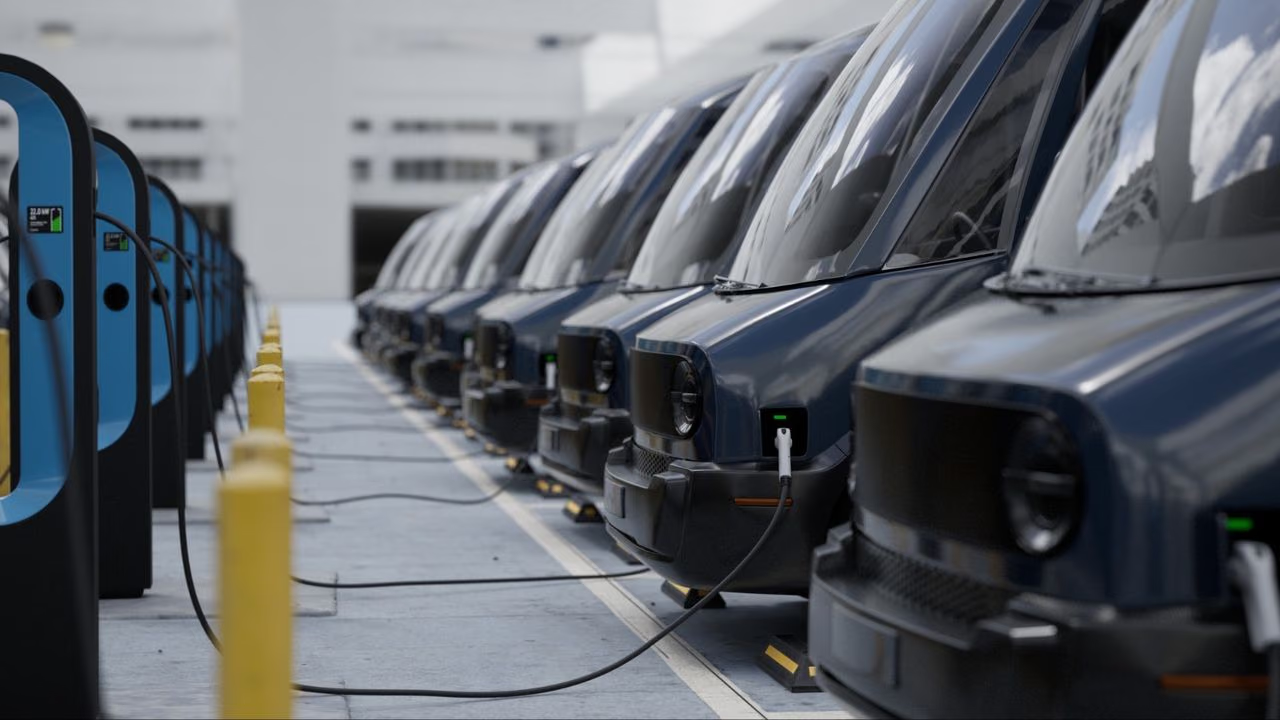
Battery Technology and Advancements in Electric Vehicles
Electric vehicles (EVs) have gained significant popularity in recent years, thanks to advancements in battery technology. Battery cells, charging speed, and thermal management are key areas where remarkable progress has been made, making EVs more efficient and reliable than ever before.
Battery Cells
The heart of any electric vehicle is its battery pack, which is made up of numerous battery cells. These cells store and release energy, powering the vehicle’s electric motor. Over the years, battery cell technology has evolved, leading to increased energy density and longer driving ranges.
One of the most significant advancements in battery cells is the use of lithium-ion technology. Lithium-ion batteries offer higher energy density, allowing EVs to travel longer distances on a single charge. Additionally, they have a longer lifespan compared to traditional lead-acid batteries, reducing the need for frequent replacements.
Moreover, manufacturers have been investing in research and development to improve the safety of battery cells. Enhanced safety features, such as fire-resistant materials and advanced thermal management systems, have significantly reduced the risk of battery fires and explosions.
Charging Speed
Charging speed is a crucial factor for the widespread adoption of electric vehicles. In the past, charging an EV could take several hours, limiting the convenience and practicality of owning one. However, recent advancements have significantly reduced charging times, making EVs more appealing to consumers.
Fast-charging technology, also known as DC (direct current) fast charging, allows EVs to charge their battery packs at a much higher rate compared to traditional AC (alternating current) charging. This technology, combined with the increasing availability of fast-charging stations, has revolutionized the EV charging experience.
With fast-charging capabilities, EV owners can now recharge their vehicles to 80% capacity in as little as 30 minutes, depending on the battery size and charging infrastructure. This makes long-distance travel more feasible, as drivers can take shorter breaks to recharge their vehicles along the way.
Thermal Management
Efficient thermal management is essential for maintaining the performance and longevity of EV batteries. Batteries generate heat during charging and discharging, and excessive heat can degrade their performance and reduce their lifespan.
Advancements in thermal management systems have addressed this issue by effectively dissipating heat and maintaining optimal operating temperatures. These systems use cooling techniques, such as liquid cooling or air cooling, to regulate the temperature of the battery pack.
Additionally, some EV manufacturers have implemented intelligent thermal management systems that actively monitor and adjust the temperature of individual battery cells. This ensures that each cell operates within the optimal temperature range, maximizing performance and prolonging battery life.
In Conclusion
Battery technology has come a long way, driving significant advancements in electric vehicles. The evolution of battery cells, charging speed, and thermal management has made EVs more practical, efficient, and reliable than ever before.
As technology continues to improve, we can expect even more exciting developments in the world of electric vehicles. With ongoing research and innovation, the future looks promising for electric mobility.



